Water Purification & Erosion Control
Cleaning Water & Stopping Erosion with Nature-Based Systems
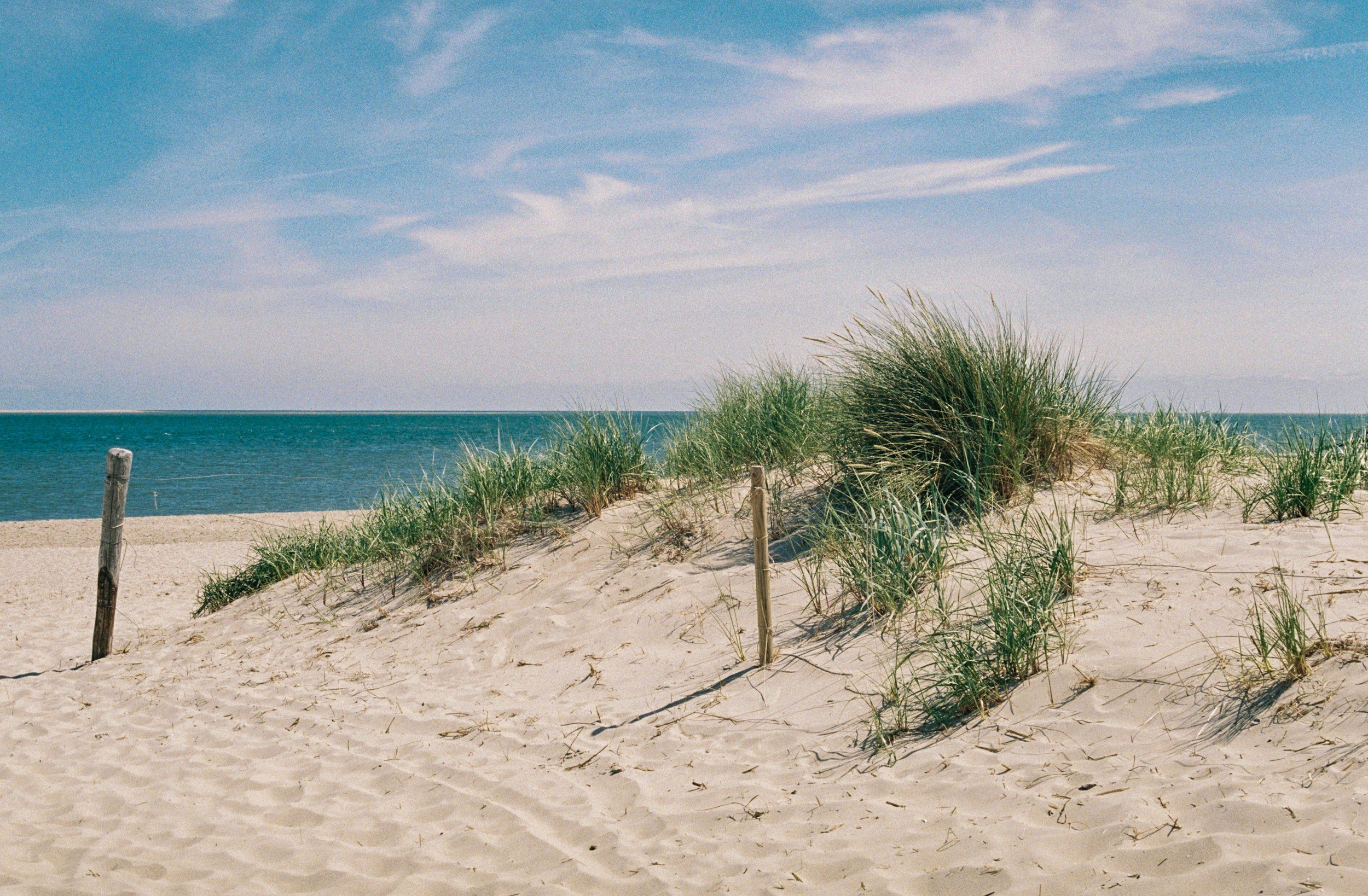
Glass-to-Sand Shoreline Restoration - Collect and crush recycled glass, clean it using mycoremediation and bioremediation, then strategically place the resulting sand to help reverse shoreline & riverbed erosion.
Potential benefits:
Rebuilds structure
Cleans water
Reduces algae blooms
Supports tourism and local wildlife
Addresses large-scale erosion problems (including the South Basin)
Solar water purification & Glass Sand Erosion Remediation
Solar-powered pumps use nearby river or lake water to clean crushed glass. The glass sand and water are simultaneously cleaned by mycoremediation, and the sand is specifically dropped into location via barge, to replenish missing sand-pack due to the changes in the shoreline over the years from industry and break walls.
This process carries multiple benefits - from aesthetics and increased tourism to water purification and reversing the $ Multi-Billion problem of lakeshore and river erosion problems.
Floating Filtration Systems
Efforts can be multiplied exponentially with floating mycoremediation and bioremediation filters. Calculations were promising for reversal of current pollution levels, eliminating algae blooms, increasing health, happiness, and numbers of plant and animal life in the entire South Basin of Lake Michigan, exponentially increasing as filters are placed further and further up-stream. Projections of 60% less pollution would reach Lake Michigan beaches if the filters captured it up-stream.
This process can be further improved if integrating Living Riprap Systems
Living Riprap Systems
Improve Both Form & Function
Traditional riprap (rock armor) for roads, bridges and structure is functional but often sterile.
We transform it into a living filtration system using plants, fungi, and SCOBY technology, while further stabilizing the structure. This process increases the beauty and aesthetics of the location, while naturally filtering toxins from the oily road water runoff before it reaches ditches, waterways, and lakes.
Results:
Filters oily and contaminated road runoff
Adds beauty to highways, bridges, and railroads
Improves the structural integrity of the riprap itself
Creates habitat & pollinator food