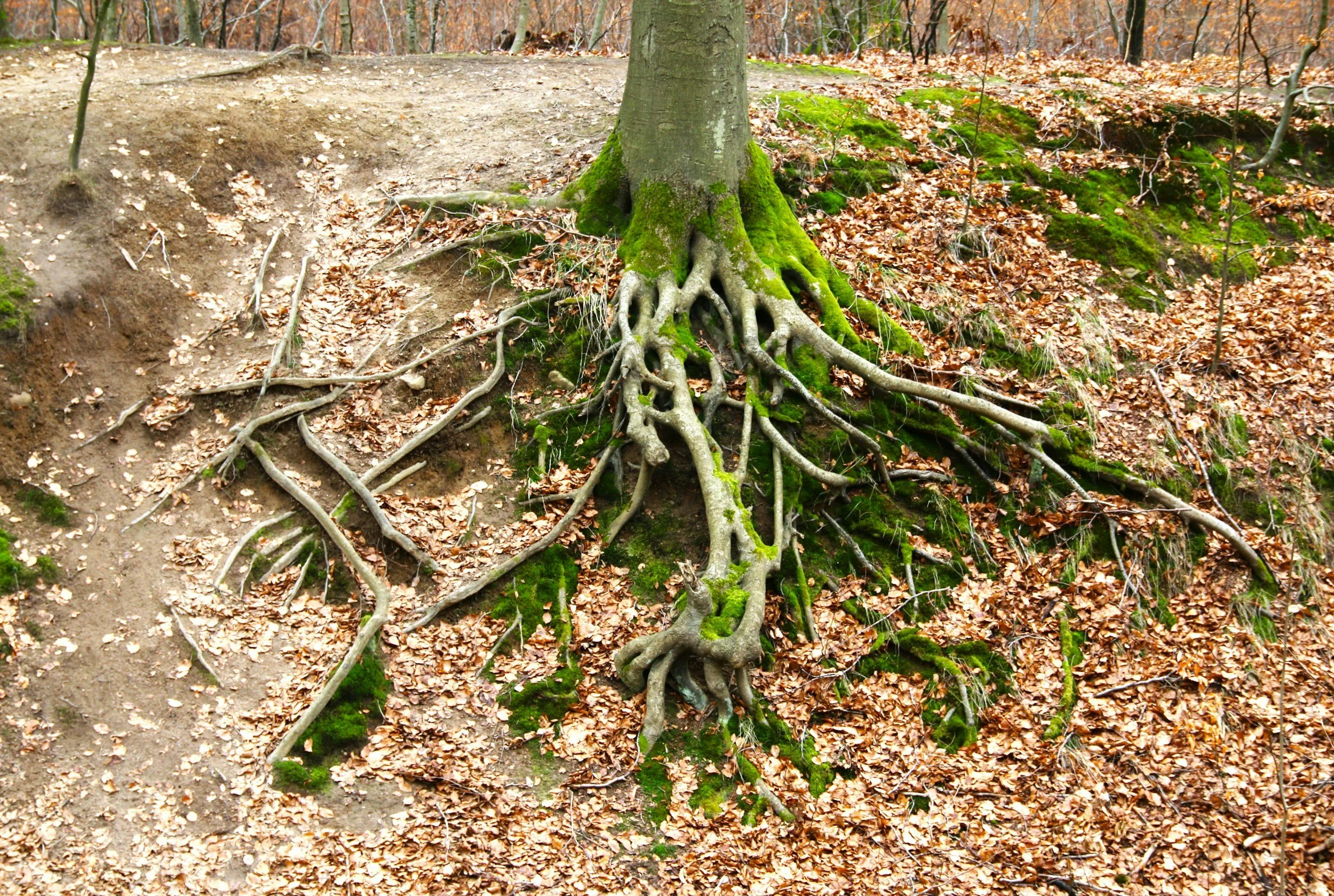
Riprap Solutions
Use your trash to fix your problems
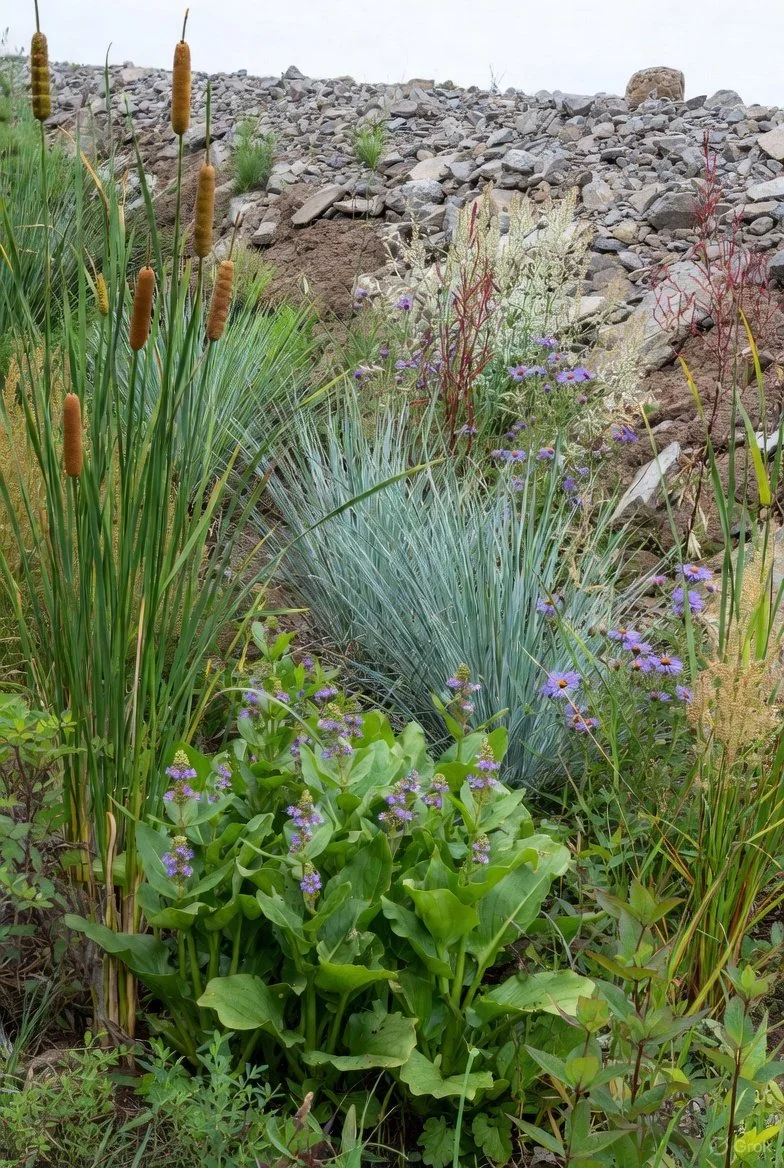
Beautiful form meets function
By blending bioremediation with beautiful plant choices, we can achieve passive filtration, erosion control, save money & raise property values as a result,
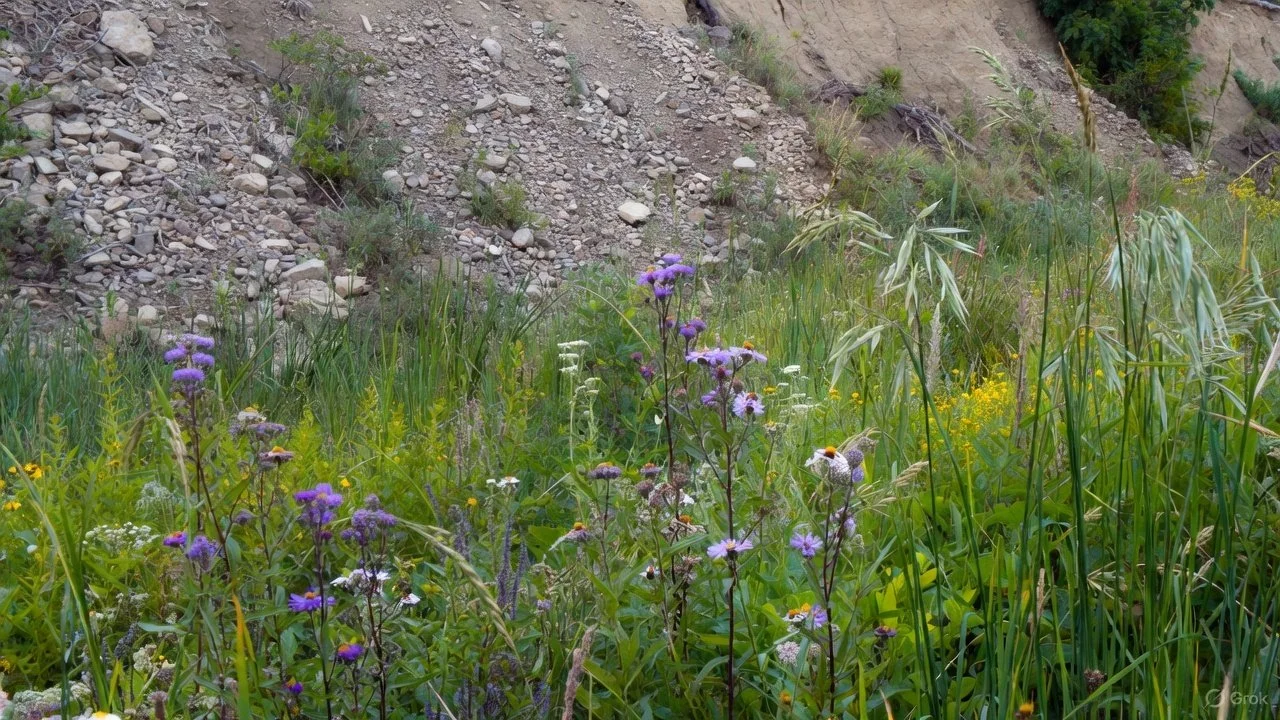
PROBLEMS ARE JUST UNSOLVED PUZZLES
Below you will find a non-exhaustive list of plants for passively filtering oily street water runoff as it reaches the lake below. Side-benefit improves stabilization of the foundation & visual appeal
Plants at a lake’s water lip change from mycelium-inoculated bedding in the soil to SCOBY-inoculated substrate, sitting just on top of the water, acting like a leather mat, soaking up toxins and oils, interconnecting with the cattails and grasses, creating a network that holds them into place. When it gets to the bottom, near the edge, it simply turns to earth - further locking the structure into place and protecting from wind/rain erosion and chemical runoff from the road.
Riprap bioremediation could even help muffle the sound and vibration impact for surrounding homes, whose houses may shake so much their bricks need re-tuckpointing or their nails hammered back in, on occasion.
Start with the end in mind…
Beautifully blended for purposeful function
It needs to become normalized for cities & individuals to approach states, railroads, and any other imposing body with good solutions to address their local problems & concerns and get positive collaboration to bring these solutions to the surface. We are, in fact, the beneficiaries of this earth and have been told our whole lives that we need to take care of it. Locals understand their terrain better than anyone and therefore should become empowered to solve these local problems because they impact the well-being of our entire communities.
Such proposed solutions will improve quality of life, the state of the environment and the integrity of the structure and including our youth - our young engineers and permaculture enthusiasts - and our general community - the landscape architects and solar electrician experts, the water & storm experts from the city or utility companies to solve the local issues we all collectively struggle through. But the answers are here, we just need to communicate & work together.
Working together provides a win-win.
Residents get back exponentially in the form of aesthetic pleasure & pride in improving their city, increased property values, muffled sound and vibration. Eventually, pollinators return & our soil and waterways become remediated.
Railroads get clean, beautifully maintained pieces of art that are relatively no-maintenance, which functionally improves their structure, saves them on potential contamination fines, damages, maintenance and insurance - all while decreasing the cost of dangerous herbicides & tree maintenance.
Disaster Avoidance practices can pay for themselves many times over in residual cost-savings & avoidance.
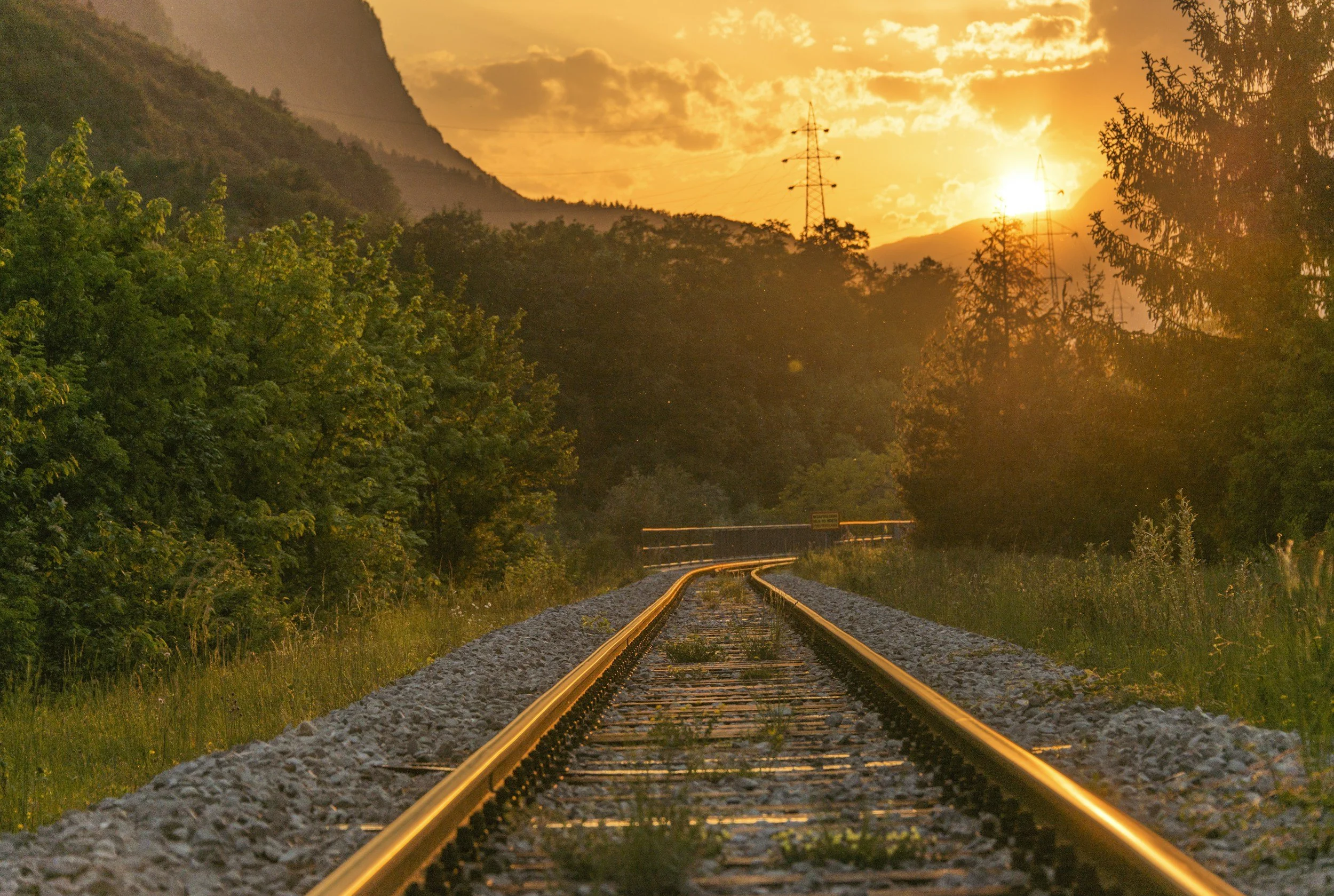
What kind of look or purpose are you going for—screening, pollinators, pure toughness, or something else?
Tough, low maintenance “railroad weed plants” that do well in harsh conditions along tracks:
Queen Anne’s lace (wild carrot) – Tough as nails, deep taproot.
Chicory – Bright blue flowers, loves gravel and drought.
Goldenrod – Late-season bloom, spreads aggressively.
Canada goldenrod & gray goldenrod – Basically the signature plant of North American rail corridors.
Mullein – Huge velvet leaves, biennial, loves disturbed gravel.
Evening primrose – Opens at dusk, reseeds everywhere.
Comfrey - Soil-builder, nitrogen fixer, hardy perennial, deep taproot.
Crown vetch – Often planted by railroads themselves for erosion control (though invasive in many areas).
Bird’s-foot trefoil – Another legume railroads have used for stabilization.
Switchgrass / big bluestem / Indiangrass – Native prairie grasses that handle compaction and poor soil.
Deliberate low-maintenance plantings (if you ever had permission or on adjacent land)
Daylilies (Hemerocallis) – Indestructible, spread slowly, pretty.
Siberian iris – Tolerates drought and poor soil once established.
Russian sage (Perovskia) – Subshrub, loves heat and gravel.
Catmint (Nepeta) – Tough, aromatic, bees love it.
Yarrow (Achillea) – Flat-topped flowers, almost impossible to kill.
Ornamental grasses (Miscanthus, Panicum ‘Heavy Metal’, Schizachyrium) – Move in the wind, hide debris, no maintenance.
Creeping juniper or rug juniper – Groundcover that survives anything short of a train derailment.
Edible / useful options (again, only where safe and legal)
Jerusalem artichoke (sunchoke) – Grows 8–10 ft tall, edible tubers, screens views.
Elderberry – Likes disturbed soil, birds love the berries (and so do humans if processed right).
Common milkweed – Monarch butterfly host, tough as boots.
Wild grapes / Virginia creeper – Will climb anything, including fences.
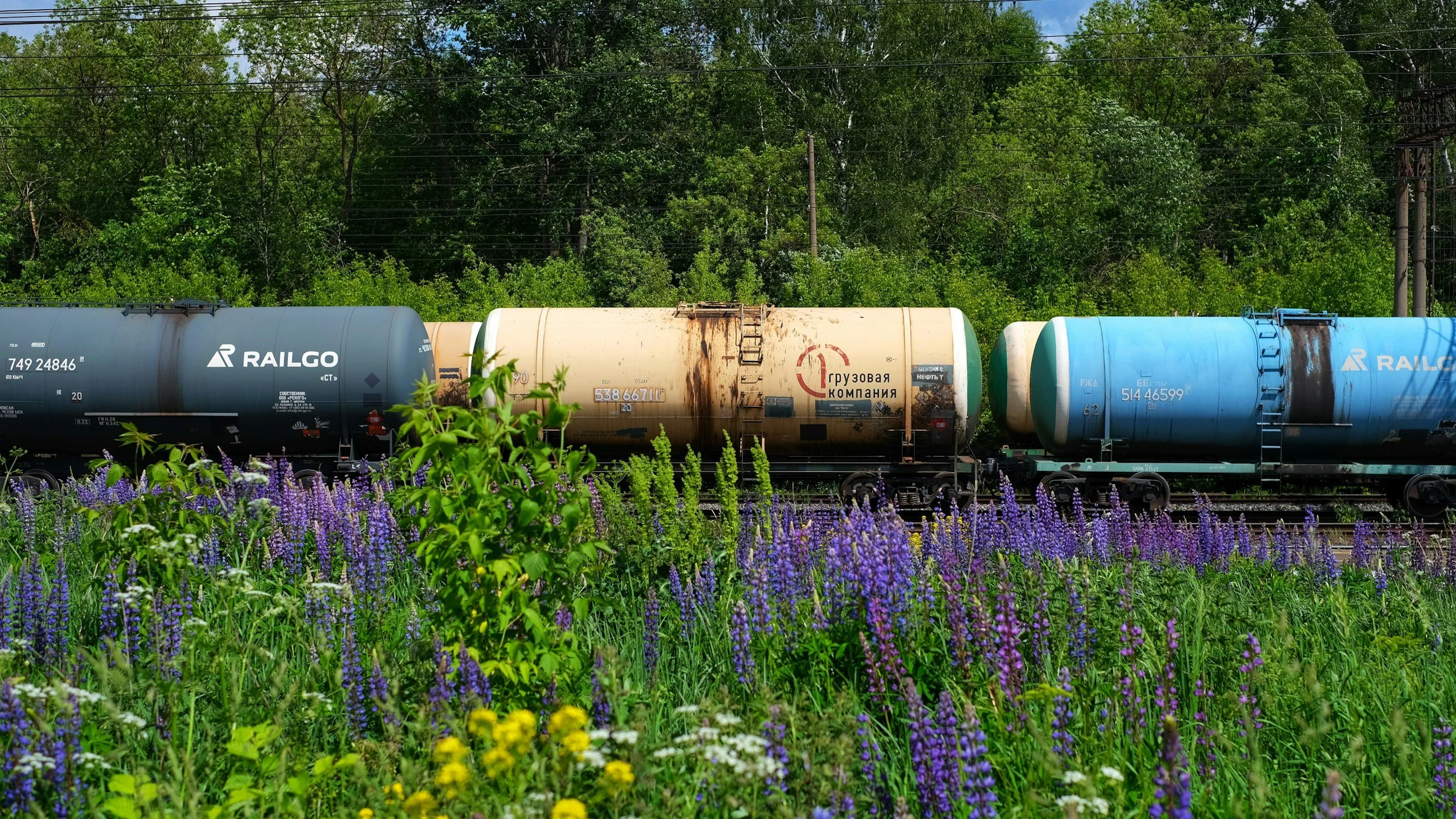
Example Phase 1 for beginners: Start from a ditch and work up addressing low-hanging fruit and filtering runoff. This begins to literally set the foundation of the erosion-control system.
(Collaborate before encroaching on Railroad property)
A list of useful plants and where they work best (below) is a start. Grants from the State & Railroad can be given to help offset these local solutions. The added beauty and pride could be just the thing to transform a city. Beauty and nature lift our human spirits, and what we save saves us. Imagine pollinator gardens replacing areas where herbicides once ravaged them.
Things the railroads hate (avoid planting these near active tracks)
Trees or large shrubs that could fall on tracks.
Anything tall and dense right next to the rails (blocks sight lines).
Aggressive invasives that maintenance crews will just spray anyway (e.g., Japanese knotweed, tree-of-heaven in some regions).

Things the railroads hate (avoid planting these near active tracks)
Trees or large shrubs that could fall on tracks.
Anything tall and dense right next to the rails (blocks sight lines).
Aggressive invasives that maintenance crews will just spray anyway (e.g., Japanese knotweed, tree-of-heaven in some regions).
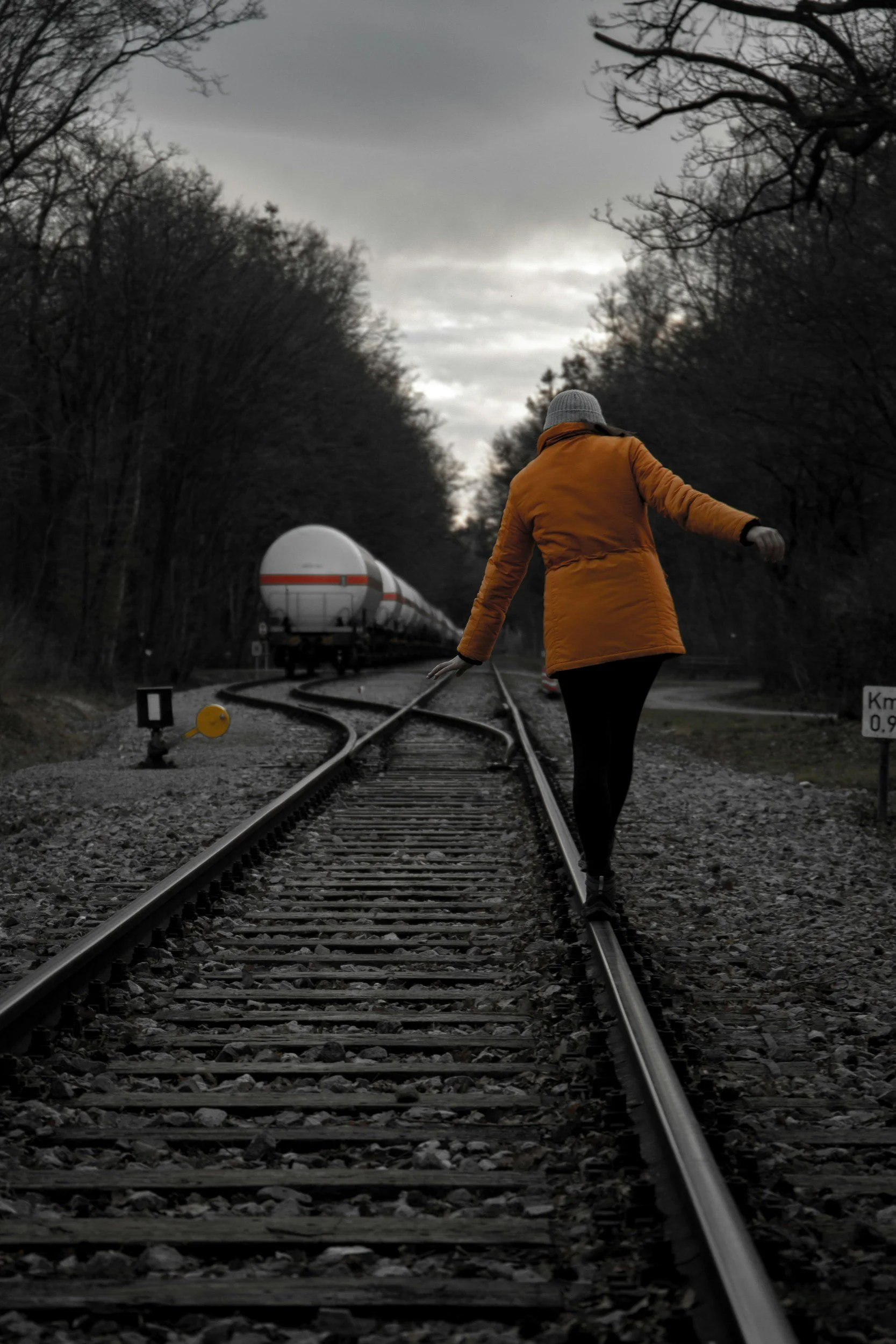
PEOPLE!!! Don’t go near the tracks…