Data Center Alternative
A Community of Ecotourism
Eco-tourism
Responsible travel to natural areas that conserves the environment, sustains the well-being of the local people, & involves education & hands-on learning.
Quaderno!
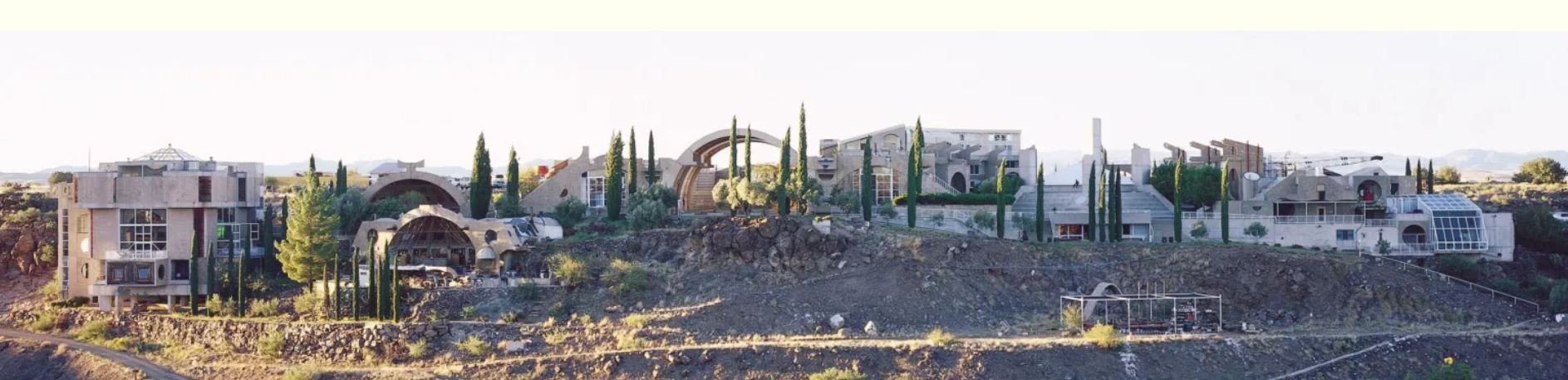
Arcosanti - An Arcology Inspiration
What if! - Paulo Solari
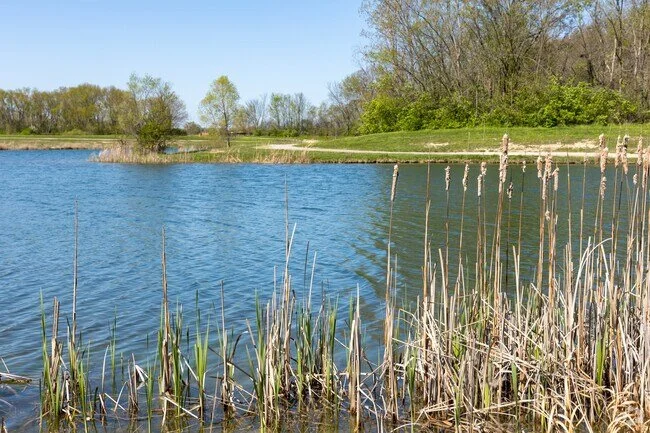
Big Maple Lake Horse Rider’s Paradise
I was inspired to come back to my area, after watching hours of the ever-inspirational TheUrbanFarmingGuys from Kansas City. By simply using our resources differently, we can take the wonderful things we have - and make our community resources so much better. And doing this eliminates line items off the storm & disaster budget and onto a Disaster Avoidance cost savings & avoidance success story. So, let’s talk more strategies - this small intro, lays the groundwork for an overall alternative vision for Hobart.
So just because we CAN build a Data Center for Amazon’s AI, simultaneously giving them the biggest billboard to the Midwest highway systems next to maybe Alsip & UPS… it doesn’t mean we should.
1 - Details are explained in this section that will allow you to follow the other plans easier
2 - Please click on the links, when provided - they are the experts in their fields & you should really check them out and all the great things they’re doing for our world
3 - Please enjoy your journey, and if you are interested - in all the things… teaching/learning, engineering filters, leading a team in the future… let’s connect!
Let’s make fractals in the world :)
Where to begin with this little gem…
I remember riding my no-speed Bahama Mama, cruisin past the Supervisor’s Club (now River Pointe), speeding down the hill, trying not to think about the way back up. The woods were always that beautiful green darkness shading us from the scorching sun we’d just biked through on the way to look at the horses at Shiloh. The smell was damp earth - mushrooms & plants.
The lake was put in, dad was excited - and then not, because it didn’t open to the public and sat there for years. Great news - it IS open to the public now, and for a good while, pavilions and benches have gone in, but it suffers from erosion & algae blooms that kill the fish that leads to restocking. It’s still quite barren, but this only lends for the perfect opportunity for water Mycoremediation (cleaning water or earth with mushrooms), beautification, while addressing the food-shortage crisis for Hobart’s local community. Literally - solving world hunger… using genius permaculture methodologies & proven studies, by the likes of Paul Stamets & Peter McCoy.
We can integrate landscape architects & permaculture experts with the storm & water experts and begin controlling the stormwater better by using swales and berms, like Sepp Holtzer & again, Paul’s research and methods for cleaning the stormwater.
(5 minutes - you’ll understand the whole concept 1,000% better)
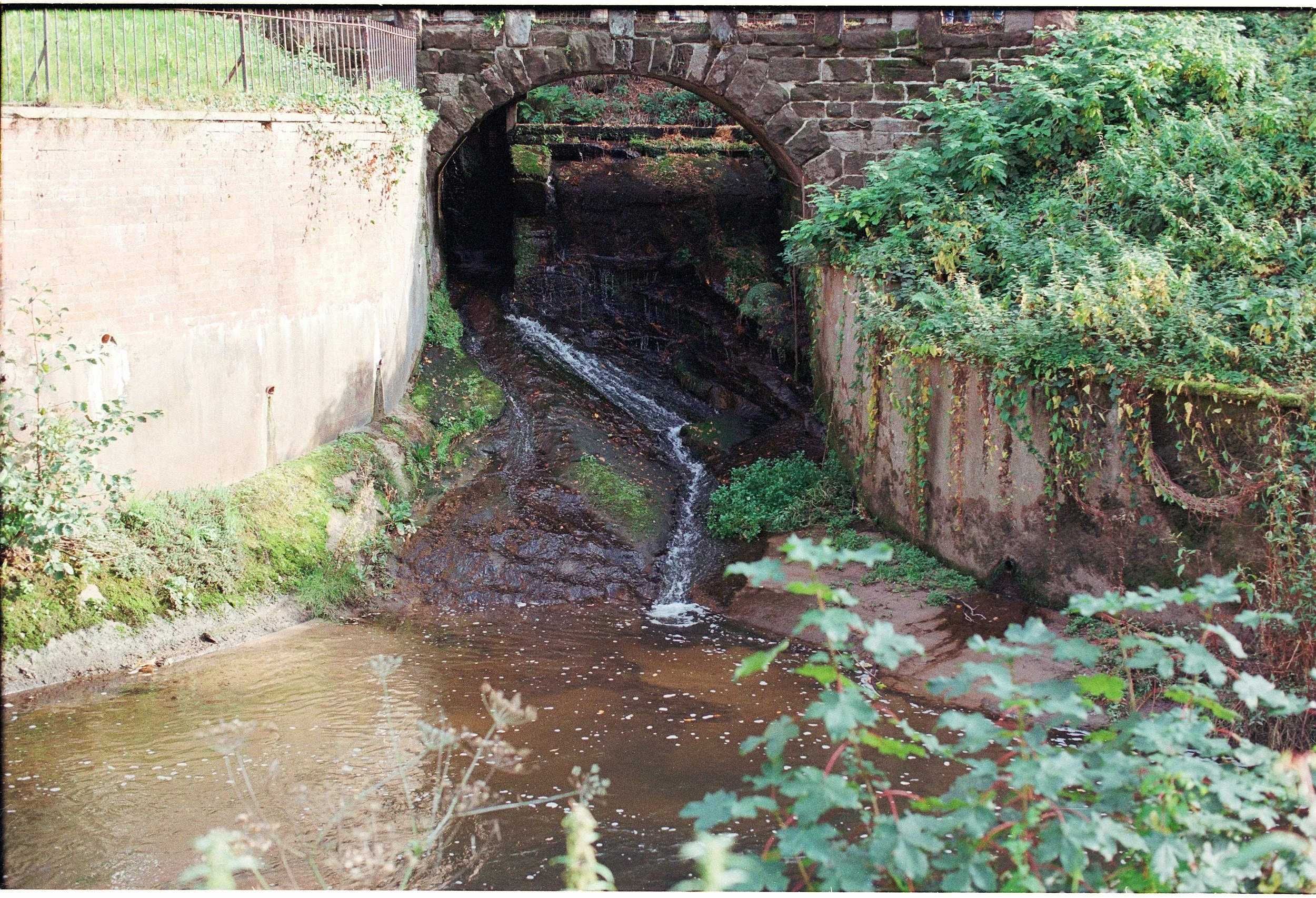
Riprap
Erosion & Filtration Solutions
Sample Challenge: Keep the original charm of this location, beautifying the form
while improving its function for better flood control & water purifying abilities.
Details for Hobart: Easy wins to improve erosion control against flooding, hail, winds, and vibration damage. How to filter, clean, & manage road runoff water as it travels downstream.
Where can this be used: Bridges, railroad embankments, riverbanks, erosion areas, etc. Specific to Hobart - transforming both sides of the Lake George Bridge crossing from the lip-area, up will go great lengths to filter water & stabilize the structure even better. The Colorado bridge & I-65 embankments by Robbinson Lake would beautifully advertise Hobart’s new Ecotourism vibe. Especially after you see what could be possible there at the lake.
Why: Stabilizes & improve the structure even further, while improving property value & aesthetic pleasure. Grants fund the majority of project cost & it saves the city on disaster recovery. Riprap solutions double as free Ecotourism advertising - boasting beauty & environmental success to I-65 travelers.
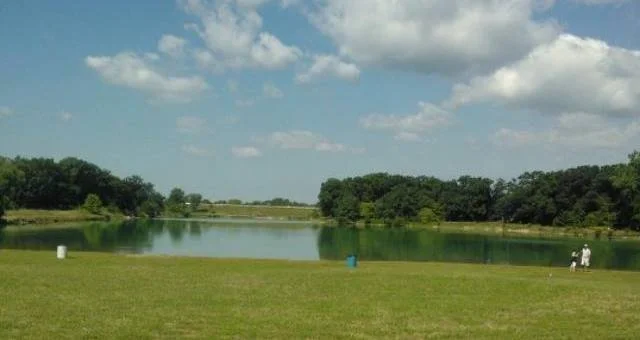
A Hidden Oasis & Billboard Shouting Success
Robinson Lake
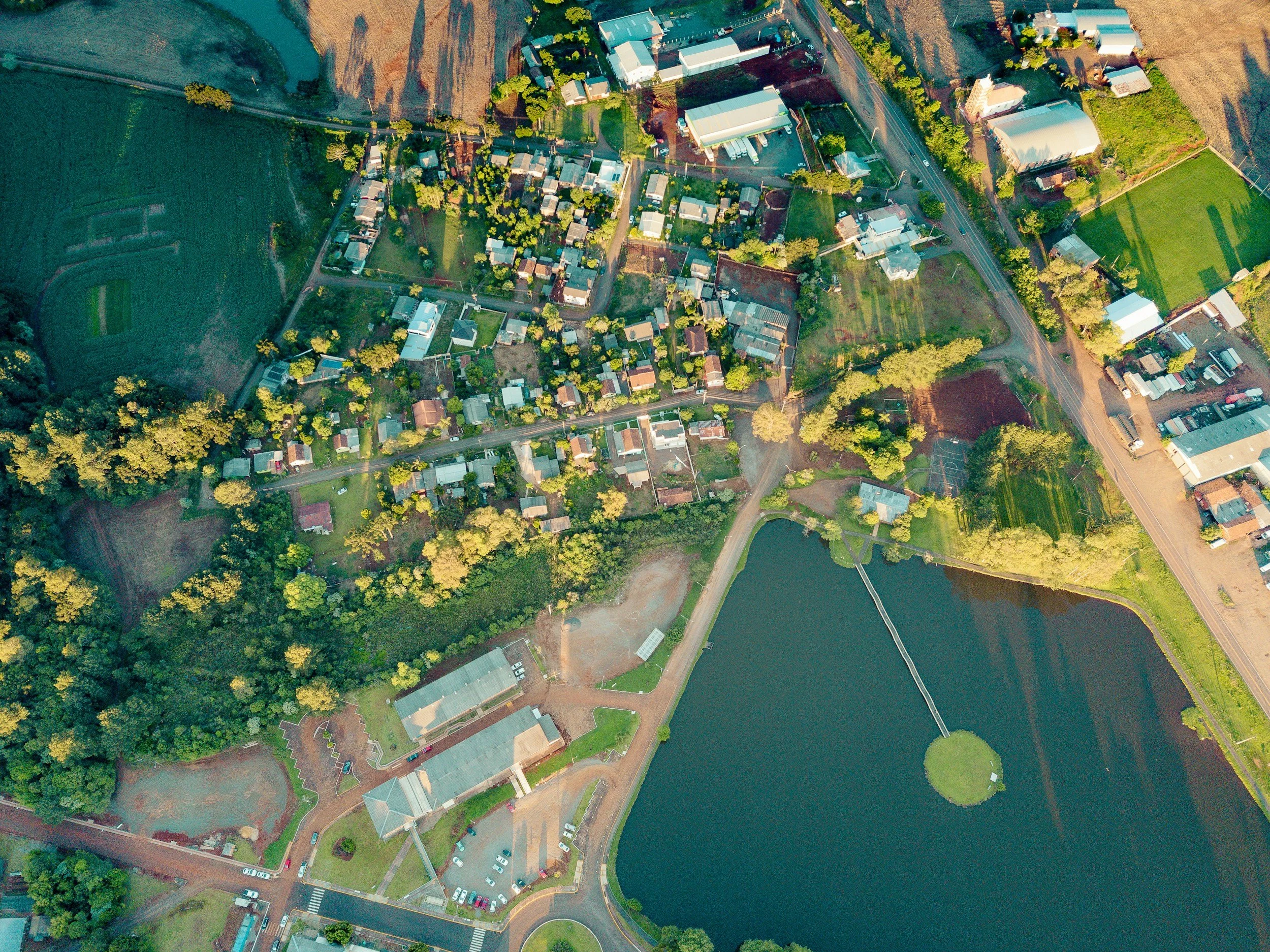
Beautiful floating filter & fish nursery:
Picture-perfect & doubles as disaster avoidance. Slows the flow, via deliberate terrain & plant choices to absorb and filter the inevitable stormwater, then overtax all routes. Cleans water in the process.
Lake George
Floating Solar Bridge Filter & Fish Nursery
Instead of an Amazon Data Center, We could have
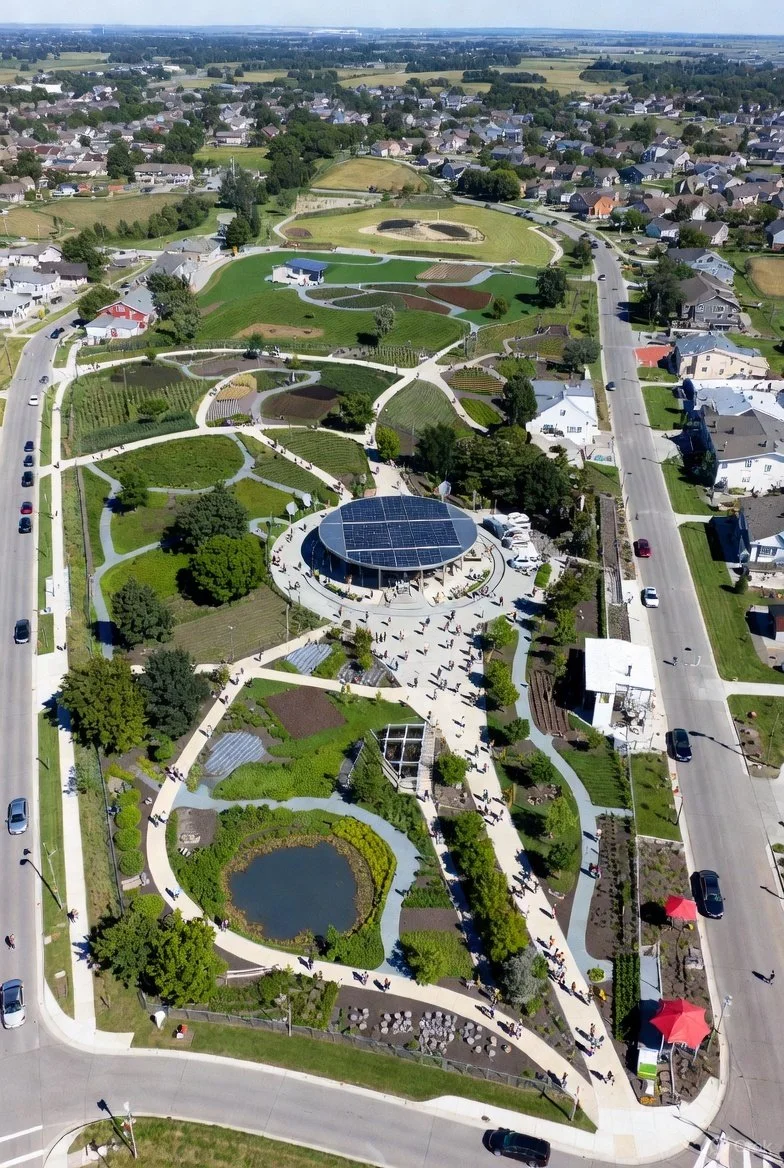
These projects tie together to make Hobart a model for resilient, revenue-generating eco-cities to follow
Grant-funded with massive savings
* I need real data to calculate accurate figures
1. Lake Robinson Revitalization & Eco-Tourism "Billboard"
Hook: Robinson Lake Park is already a gem – 17 acres of lake in the heart of our west side, with the new $93k playground drawing families. But imagine it as Hobart's 'Billboard' for eco-tourism: A glowing, self-sustaining oasis that puts us on the map without costing a dime
Core Pitch: Propose Mycoremediation rafts (mycelium bio-mats for 60–80% nutrient removal) + native prairie edges to clear the water, boost fish stocks (DNR already partners on catfish stocking), and create pollinator trails linking to Indiana Dunes. Add solar-lit boardwalks and "Eco-Oasis" art & signage for Instagram-worthy stargazing picnics
Tie-In: Friends of Robinson Lake group supports; Erins’ Farm resources/clean water & potential to plant food forest materials on the farm to help off-set farm food costs; Legacy Foundation grants ($11k+ for northwest revitalization) cover 90%
Potential annual revenue: $150–250k from classes, events, and fishing permits
Savings: $50–80k/year on algae treatments
Ask: Approve Phase 1 pilot (10 rafts, $35–50k net) in 2026 budget – Let's make Robinson the gateway to our Nature District
Handout Line: "From murky to magical: Clear water + tourism = $200k/year win"
2. Mycoremediation Bridge & Disaster Avoidance
Hook: Our 600-ft glowing myco-bridge across Lake George's narrows isn't just pretty – it's a disaster-avoidance powerhouse, filtering the Deep River while preventing floods
Core Pitch: Oyster mushroom mycelium rafts (proven in WI pilots) + SCOBY hybrids clean 60–80% of pollutants; check-weirs detain 5–10M gallons/storm
Ties to Disaster Avoidance Team (DAT) for student-led builds – "Mushrooms eat the mess we make”
Tie-In: Avoids $250–400k/year flood damages; qualifies for CRS Class 7 (15% insurance discount, $90k savings)
Ask: Greenlight grant apps (GLRI/EPA 319, $450–550k total) – Bridge could pay for itself in 4 years
Handout Line: Filter floods with fungi: $1M+ annual return, low to zero maintenance
3. Tandem Projects = Flawless Tie-In
Hook: These aren't separate – they're a seamless network turning Hobart's scars into synergies
Core Pitch: Robinson Lake feeds the myco-bridge (shared bio-mats for filtration); bridge links to 61st Ave improvements (eco-swales along new roundabouts); all under DAT umbrella for coordinated grants (NRCS/EQIP, $300–500k total).
Result: A "Green Corridor" from west Hobart to downtown – flood-proof, pollinator-rich, tourism-ready
Tie-In: Multiplies savings ($575–938k/year across lines like algae/flood response); creates 50–100 seasonal jobs (guides, planters, educators)
Ask: One plan, endless wins
Handout Line: Robinson → Bridge → 61st: $1.5M+ revenue chain, all grant-tied
4. Rip-Rap Filtration Meets Architectural Landscape Design
Hook: Those ugly gray rocks on our bridges? Let's turn them into purple prairies that filter runoff and win design awards
Core Pitch: Layer bio-mats (mycelium for 70% oil removal) + natives (vetiver roots 10–15 ft deep, asters for color) on Wisconsin/Colorado St/SR-51 riprap
Architectural flair: Willow aesthetics, rain-chain sculptures – low-maintenance beauty that stabilizes slopes 80–90%
Tie-In: Slips into 2026 bridge work (INDOT TRAX funds 90%, $10–20k net); saves $15–30k/year on repairs
Ask: Add to Phase 3 bids – From eyesore to eco-art in one season
Handout Line: Riprap + roots = $200k savings + Instagram gold
5. The 61st Ave Tie-In
Hook: 61st Ave's $13M Phase 3 (roundabouts, widening to SR-51) is our golden ticket – let's green it as the spine of our eco-network
Core Pitch: Integrate swales/bio-mats along the corridor (filter highway runoff 60–80%); link to Resilience Oasis (no-data-center alternative: 100-acre food-forest hub with soaking ponds
$1.3–2.3M/year revenue
Quickly Rezone back - for "Eco-District" vs. data center – protects water, creates 80–150 jobs
Tie-In: Builds on 2017–2025 improvements (STP funds); avoids data center's $200k+ water strain
Ask: Oppose data center rezoning; approve Oasis pilot ($400k net, 80% grants) – 61st as green gateway, not industrial drain
Handout Line: 61st: From traffic fix to tourism spine – $2M+ ROI, no water wars
Closing Ask: These projects save $1.5M+/year, draw tourists, empower youth – all for under $400k net.
Let's form the Task Force today and file grants by December.
"This could be Hobart's legacy – resilient, beautiful, profitable."
CHRISTINE PIERCE