Big Maple Lake
A Hose-themed Food-Forest
Welcome to a Paradise for the Community
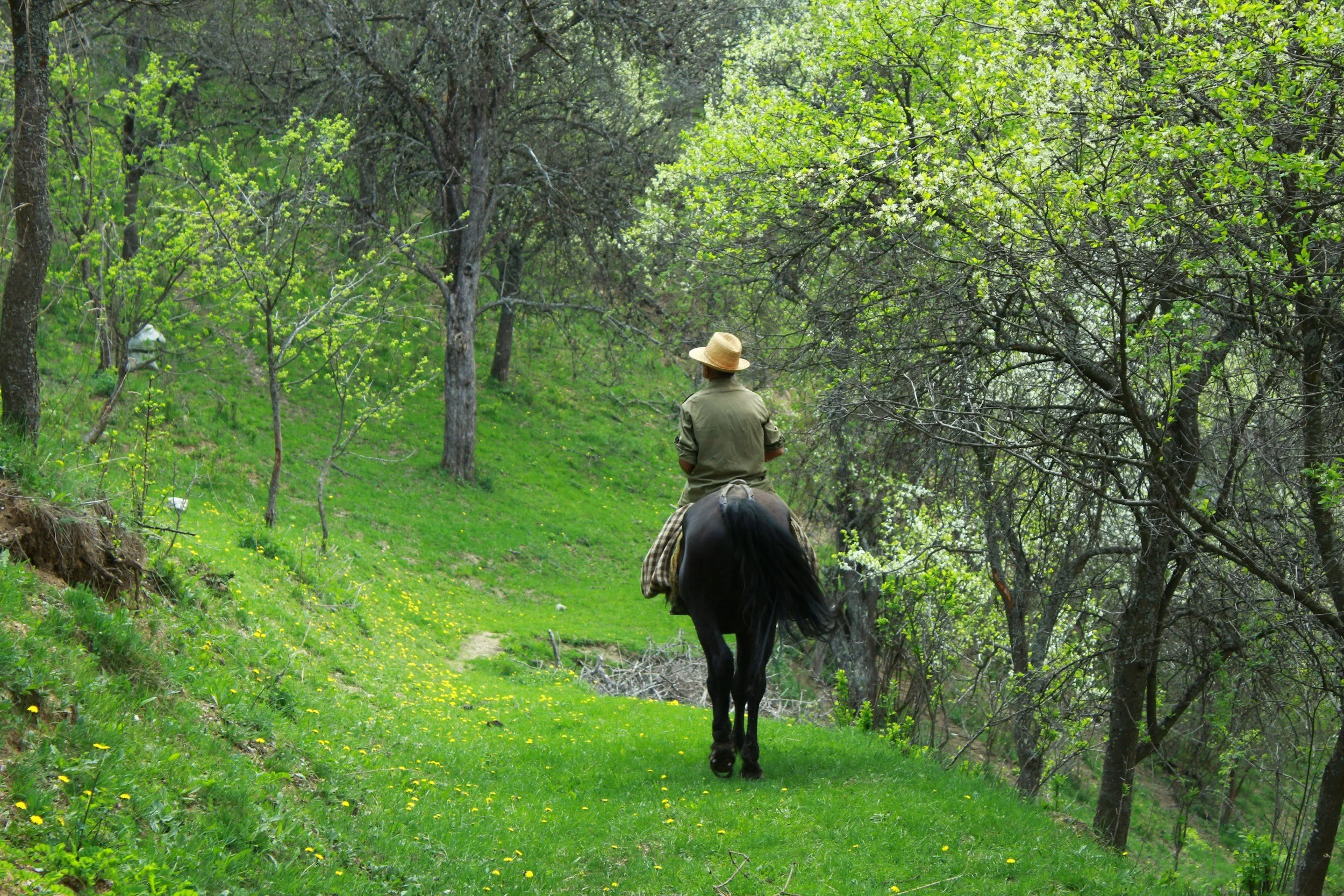
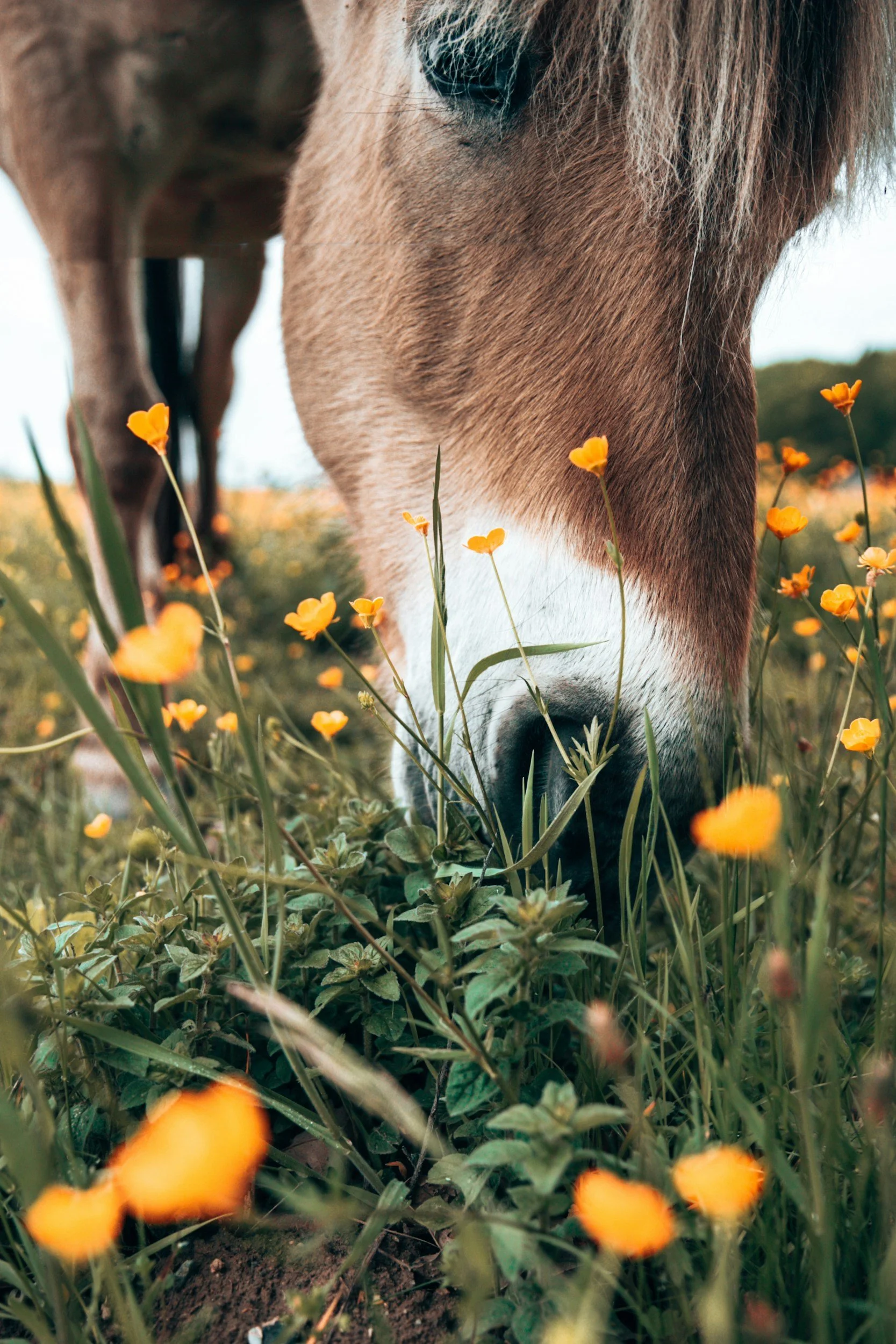
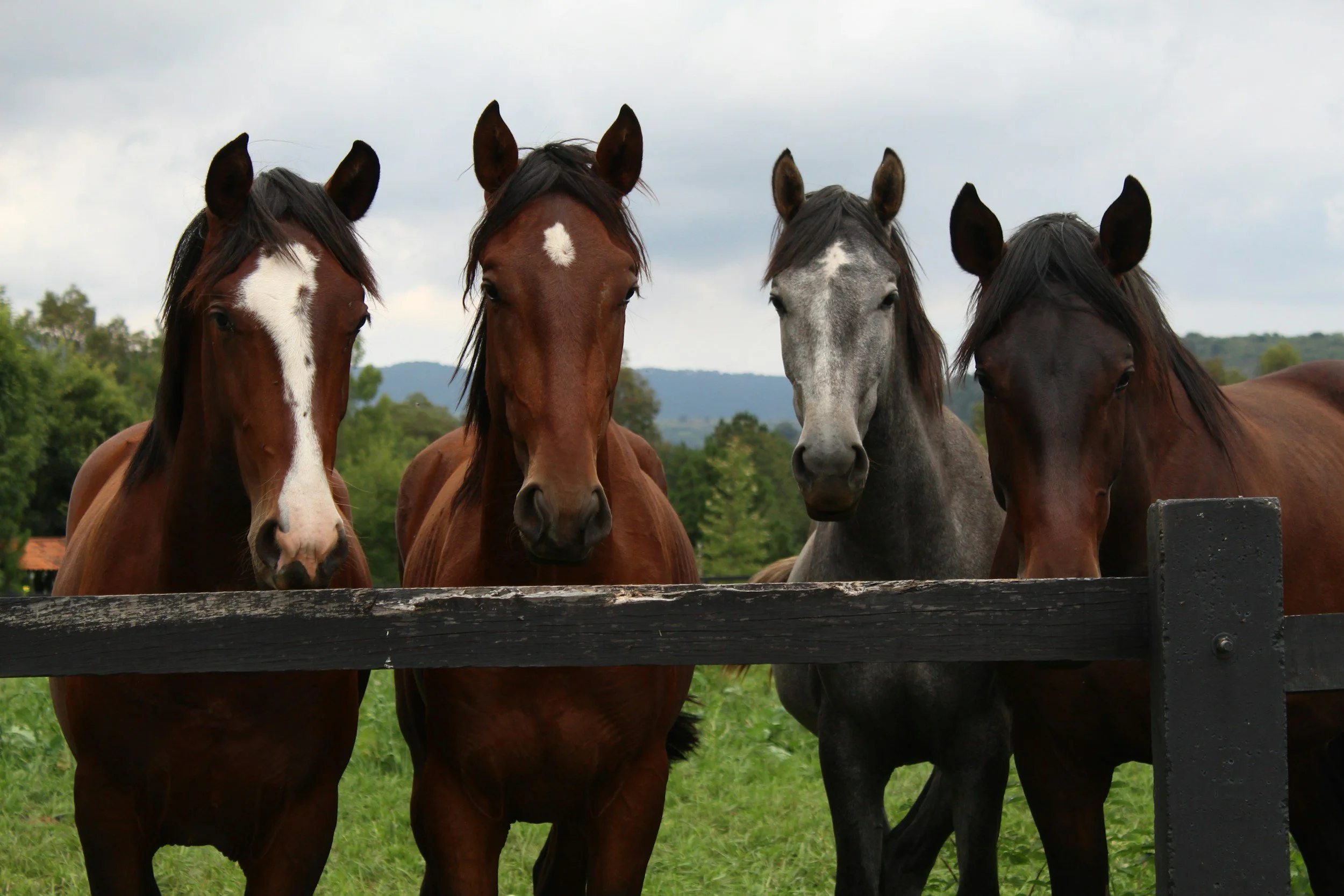
Imagine riding a wide, soft trail beneath apple, pear, mulberry, pawpaw, persimmon, and hazelnut trees. Plants and bushes near trails safe and chosen so your horse can snack as you go. You reach the lake shore and your horse walks into a gentle gravel drinking bay for a long, refreshing drink of clean, clear water.
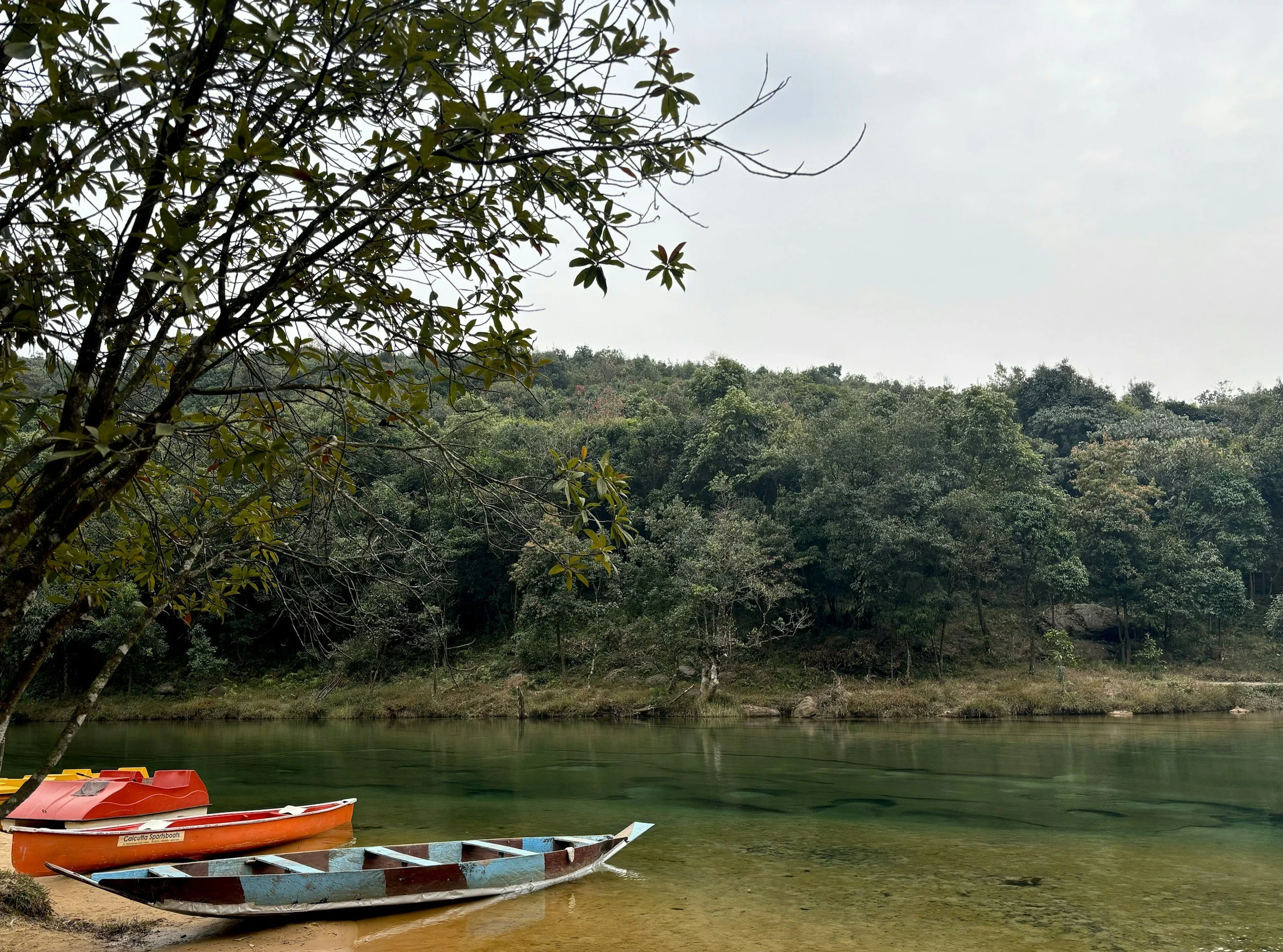
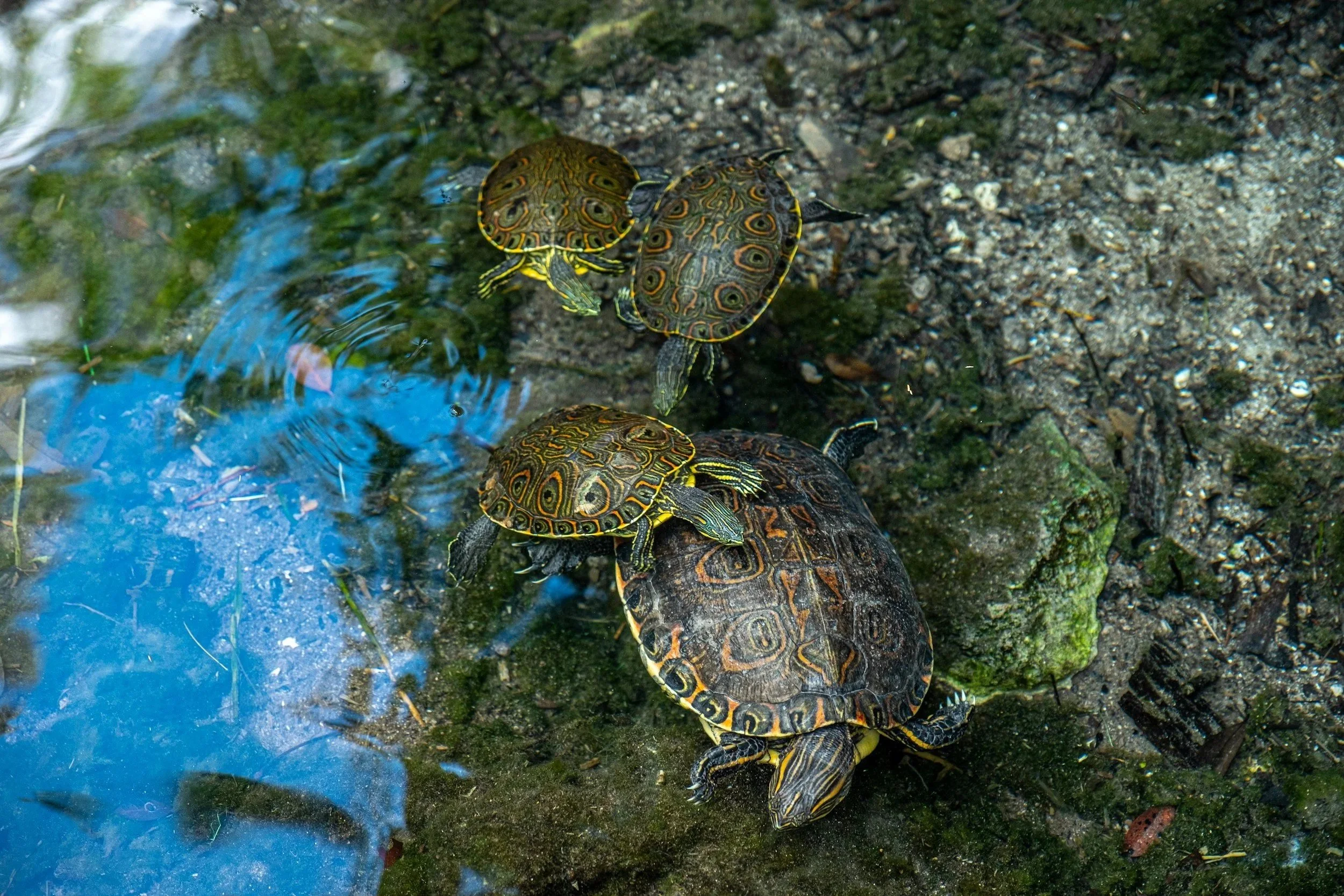
In the center of the lake, a broad, stable floating bridge sweeps across the water to a living island garden of mushrooms, vetiver grass, tall hardy native cannas & irises, pickerelweed, and fragrant flowers. Fish flash beneath the surface, turtles bask on logs, and the whole place feels like a dream.
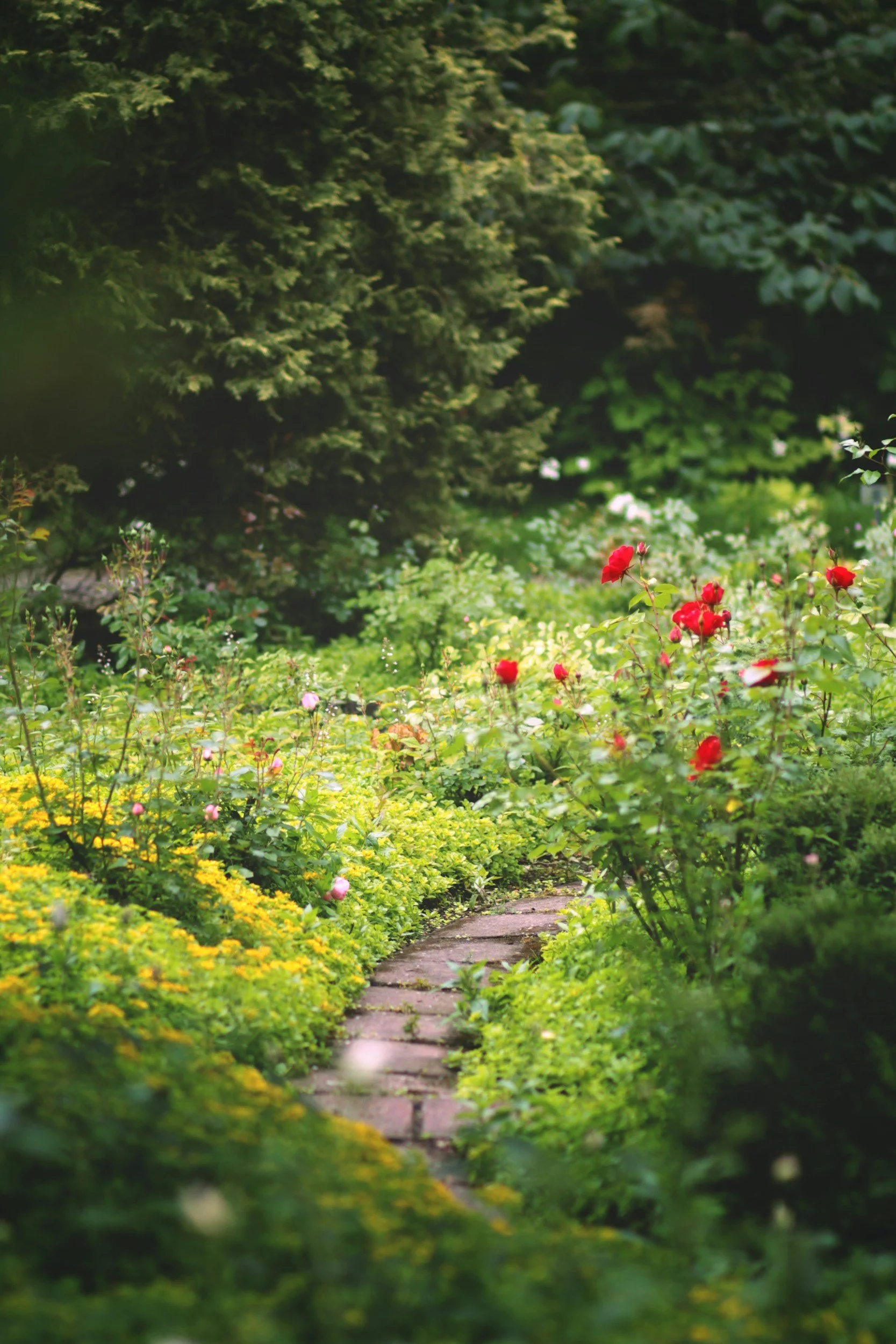
This could be Big Maple Lake reborn: A true rider’s food-forest paradise where horses and humans live in abundance.
What We Could See In 3–5 Years
*The lake had been low for a while, so if the lake has already been drawn down, this process can be skipped
Crystal-clear, horse-safe water - No toxic algae, no runoff, no worries.
Naturally “bio-dredged” + a living filtration island that cleans the water 24/7
One gentle, permitted 18–24-inch drawdown in late summer 2026 (the lake comes back deeper & cleaner the moment we refill)
Beneficial microbes + enzymes seeded lake-wide to digest decades of soft muck (drops another 1–2 feet of sludge naturally)
Fast-growing shoreline plants (cattails, hardy cannas & native irises vacuum cloudiness out of the water)
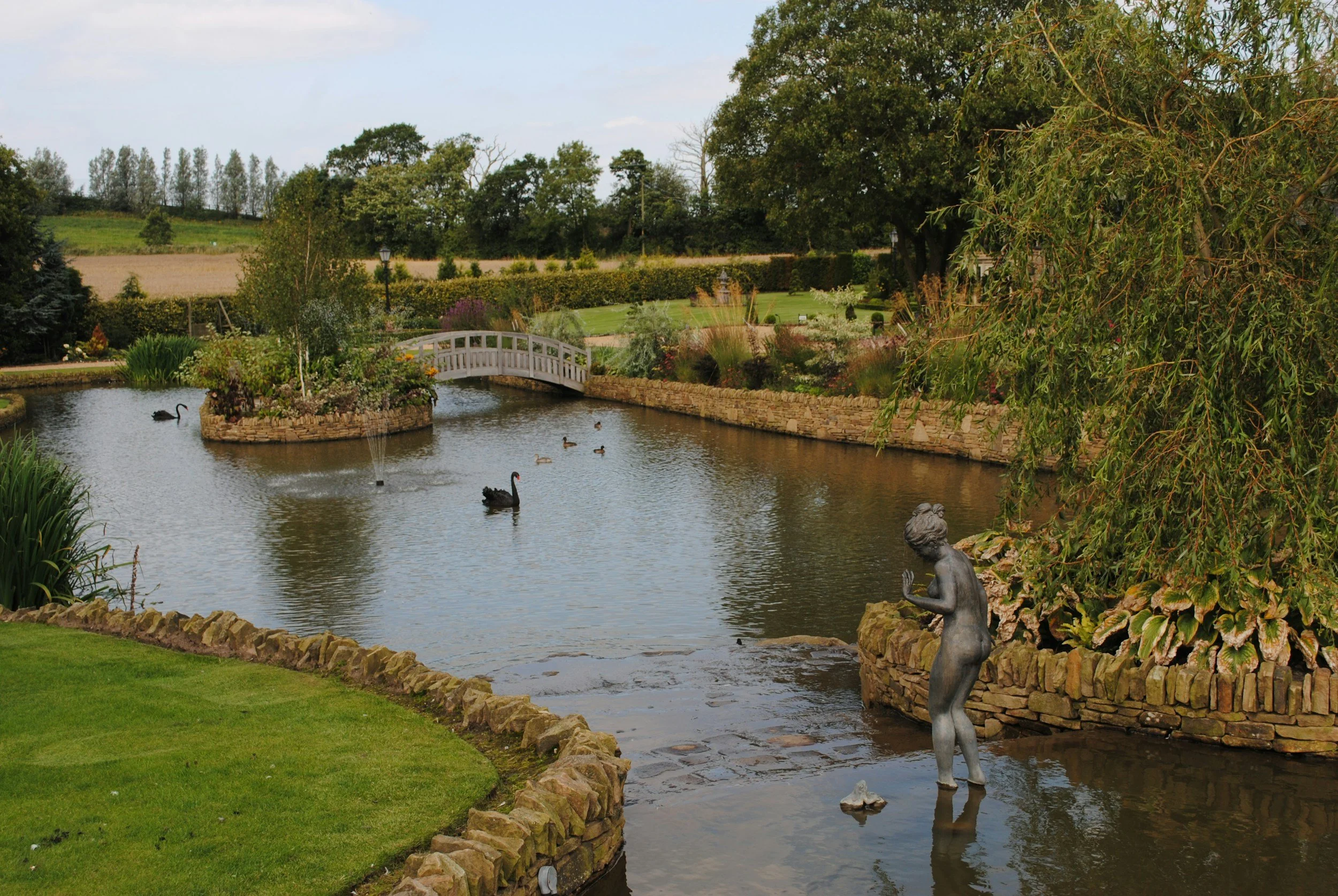
A gorgeous new roadside filtering wetland garden with a bridge that might be made from naturally fell trees
We open one section of the road ditch and sculpt a sweeping, curved forebay wetland
Stormwater slows, drops its dirt, gets polished by plants, then spills into the lake clean
Instant wildlife magnet and the prettiest photo spot you’ve ever seen (boardwalk + benches + bridge + beautiful stormwater forebay)
Floating bridge & living island
The island itself is a giant natural water filter: Oyster & King Stropharia mushrooms intertwine with edibles and vetiver grass, hardy water-cannas and tall native irises work, while others benefit from the lush nutrients provided by the lake
Free mushrooms for visitors to harvest and take home for supper (Creating low maintenance)
Wide non-slip deck rises and can rise and fall with water levels
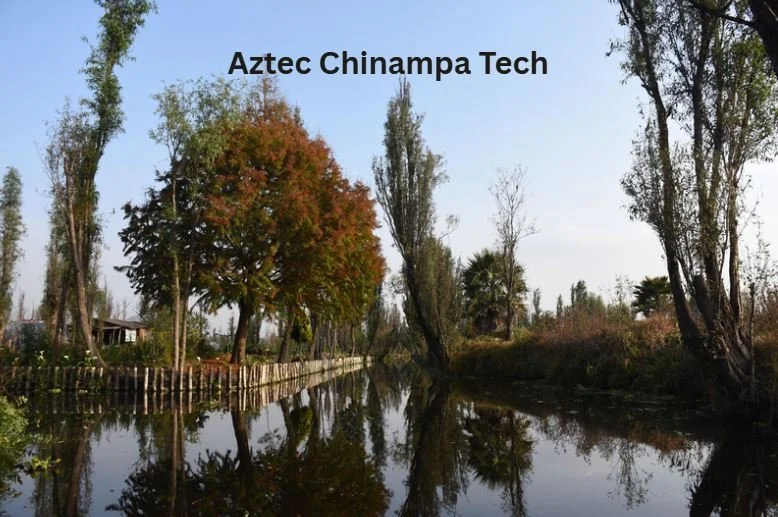
Can use the same brilliant principle as the ancient Aztec chinampas – just simpler and faster for Phase 1
Clean, oxygenated water = massive zooplankton blooms
Bass, bluegill, and perch grow huge and plentiful on nature’s own buffet
Miles of lush, edible riding trails & horse-perfect waterfront
Wide, hoof-friendly surfaces (deep mulch, clover, and horse-safe grasses)
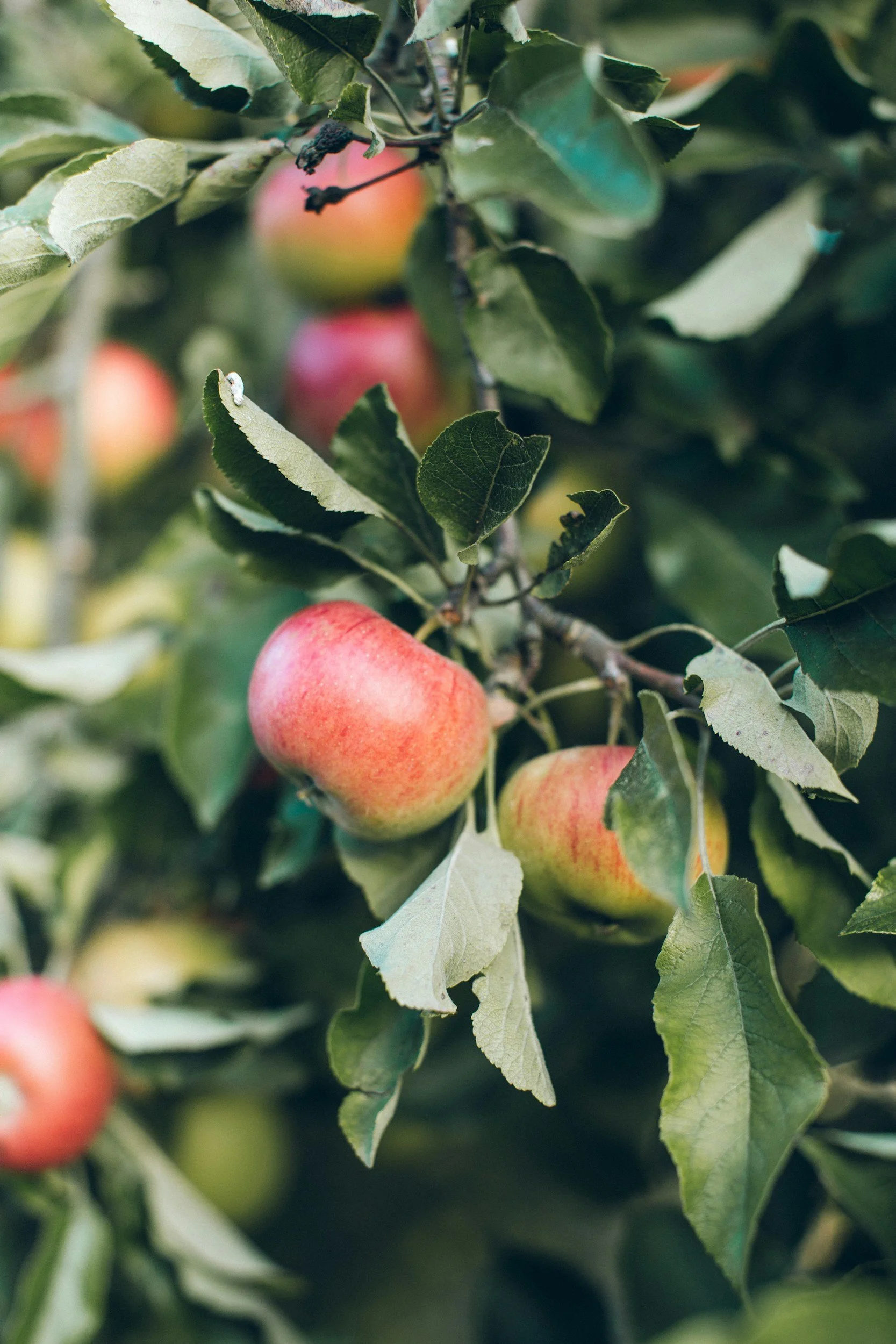
100’s of fruit and nut trees, berry hedges, and winding, herb & medicinal plant spirals (free groceries for horse and rider)
Plants can be vetted by equine experts: (i.e. no red maple, yew, or wilted cherry near trails or if old growth, explicitly marked
Multiple gravel drinking bays perhaps with gradual entry and splash-and-roll zones for hot days
Shaded hitching posts, mounting blocks, and log “scratch posts” at perfect wither height
Soft riding trails along the edge
Overnight paddock tracks for horses that come to stay
Vivid horse joy built into every corner
Grazing orchards with low branches
Treat hedges that rain berries when in season
Log-over options, and gentle hills that invite a happy canter
Wide lanes perfect for a carefree gallop
Year-round magic
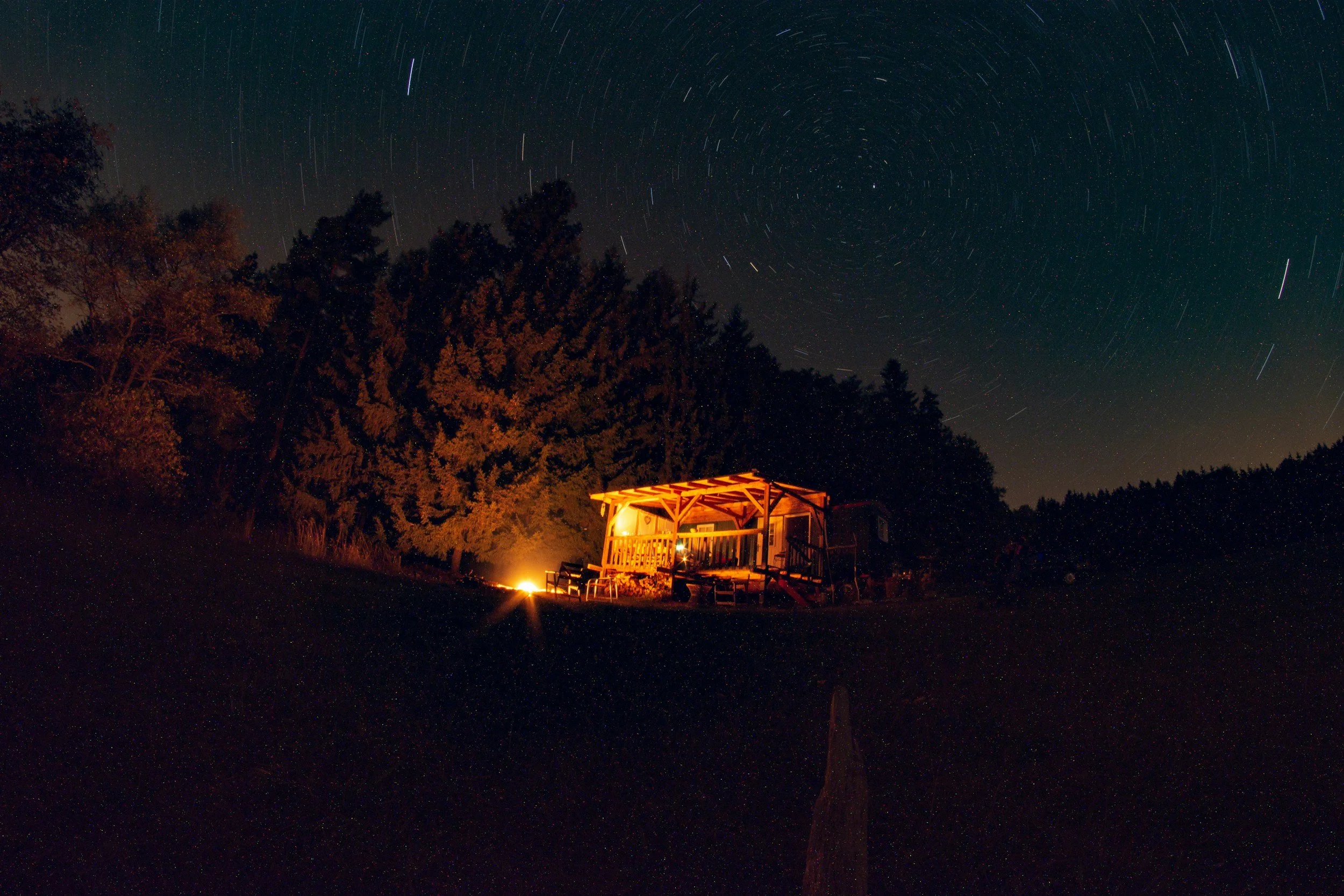
Solar up-lighting can be integrated for safe, magical night-time star-gazing experiences
Up-lights into trees illuminate overall space, water feature bridge and island glow - plants intertwined w/ solar lighting
Excess electric may be sold back
Plentiful fish & food
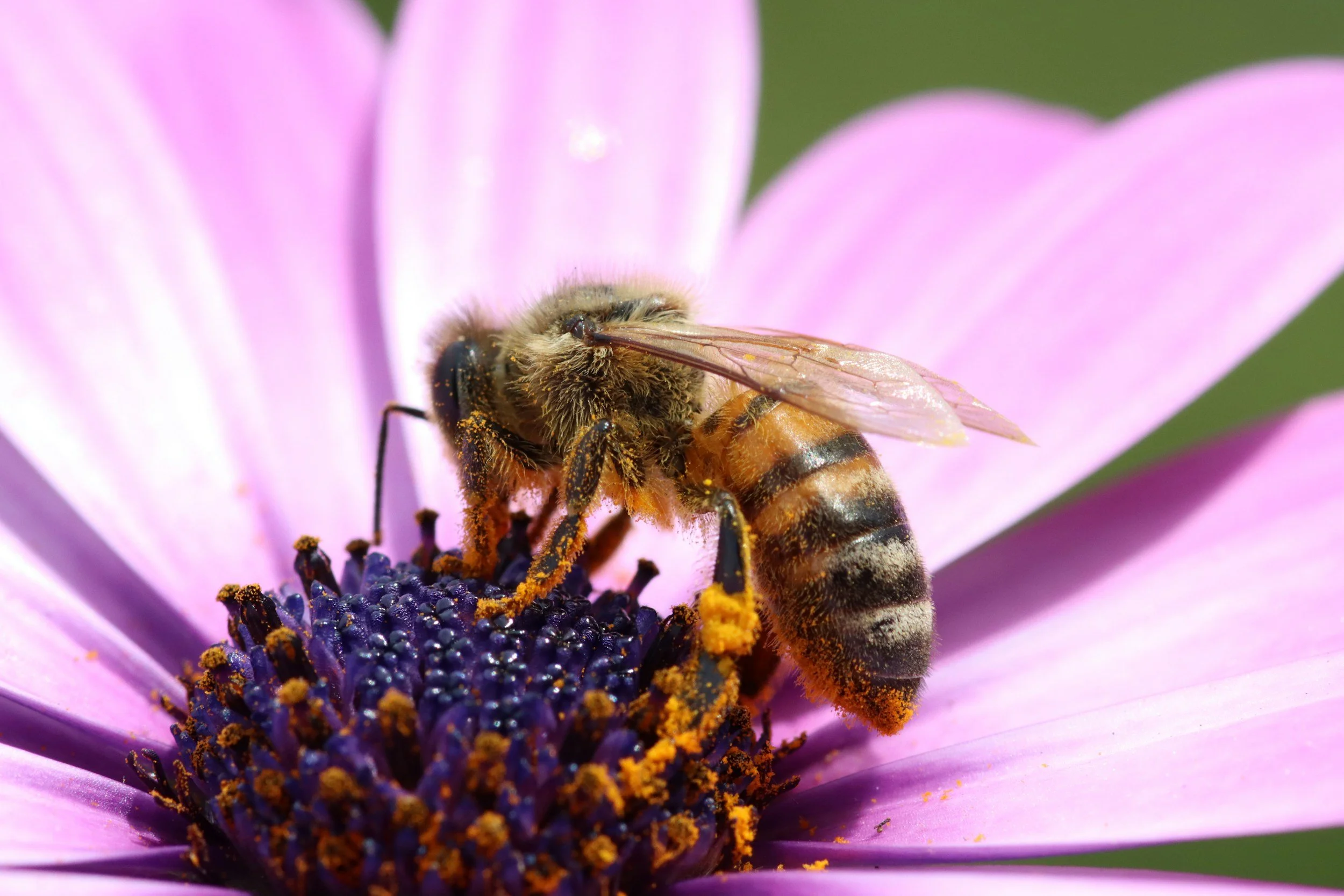
Happy wildlife & pollinators
Groomed trails for winter sleigh rides or brisk morning walks
Safe ice access to the bridge for winter walks with thermoses of hot cocoa
Fire circles with retractable, horse-safe fencing options built into the planting architecture
Evenings around the lake skygazing under the stars
Benefits
Mushroom mats seed & clean the water
Clean water explodes with zooplankton and insects
Fish grow huge and plentiful on that natural buffet
Everyone wins with clean water, healthy food, and fun
Phase 1
Spring is made for planning, starting & planting plants, and creating the building blocks
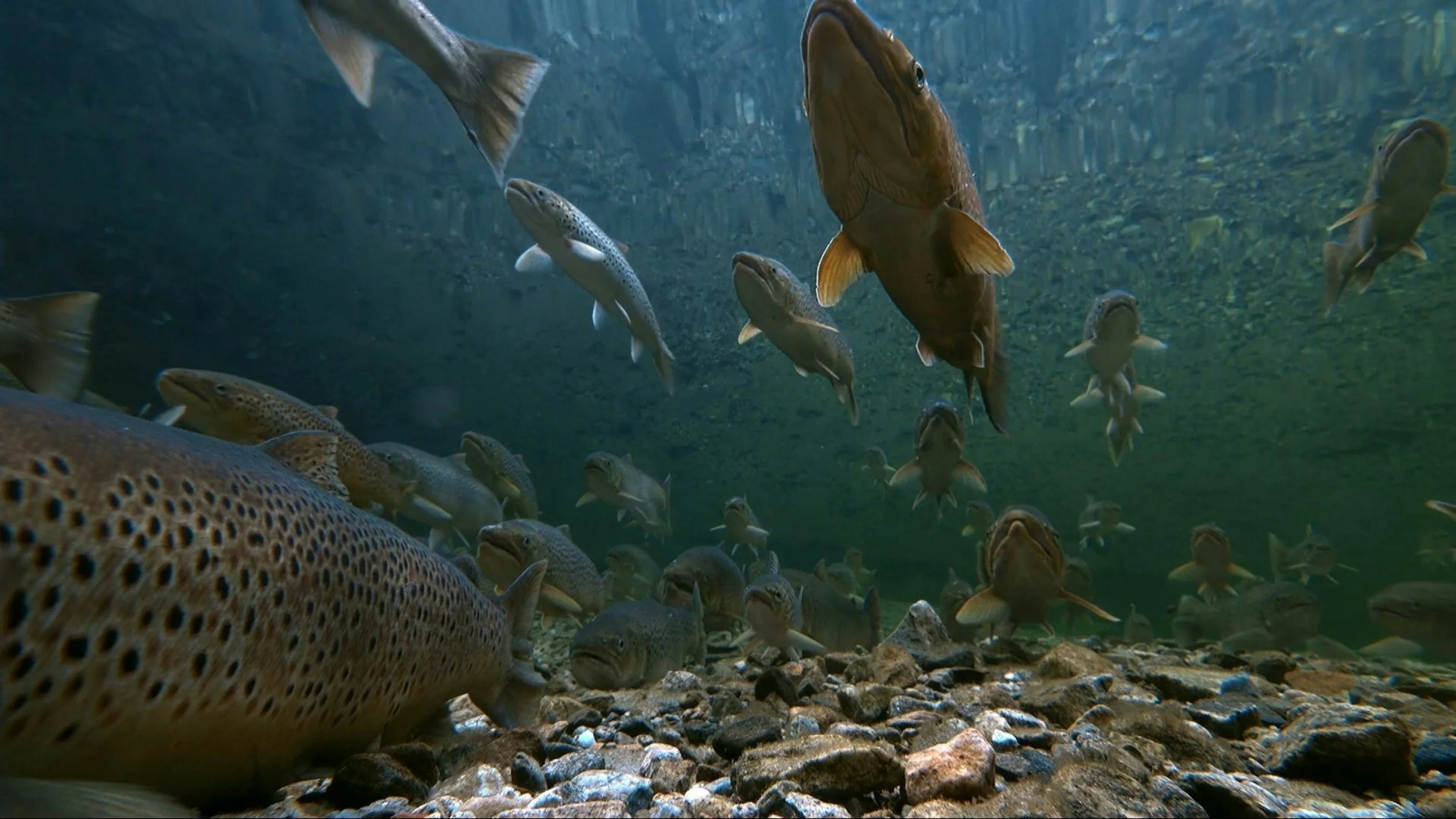
Fish spawn safely in spring & love the summer concentration
July & August evaporation + plants drinking water may drop it 12–18” on their own, meaning siphoning only the last 6–12 “
Warm water + sunshine = microbes work 5–10× faster
The bacteria and enzymes that eat the muck are most active at 70–90 °F, so by late summer they’re turbo chargedExposed muck dries & kills algae in weeks instead of months
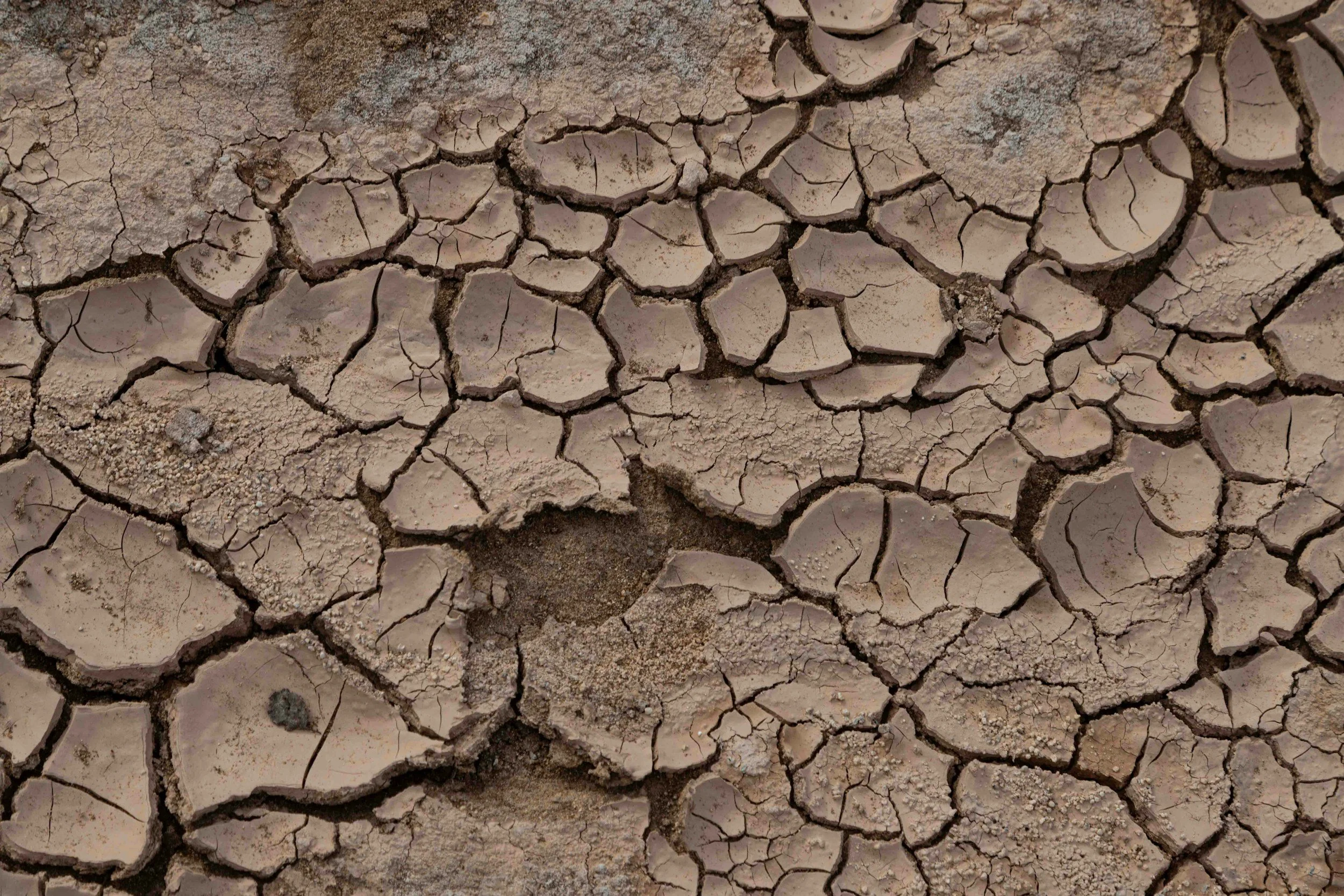
Hot sun + wind in August cracks and bakes the top layer of sediment
All the important fish (bass, bluegill, perch) finish spawning by June
By late July the babies are big enough to handle the deeper pockets and can grow huge gorging on concentrated food
Fall rains refill (Sept–Oct)
Water rises, new shallow zones flood, plants explode next spring
Wildlife and plants explode the following spring
The drawdown creates a perfect “seed bed” for native shoreline plants that sprout like crazy the next year
Long-term (2027 and beyond)
Brand-new spawning areas appear - Zooplankton blooms - Best natural fish food ever
By the following summer the lake could hold 2–5× more and bigger bass, bluegill, and perch than before
Clear water, locked-away nutrients, no more summer algae crashes
Stable oxygen levels all year. - Fish you can see from the bridge
Real-world proof
Lakes in Minnesota & Wisconsin that have done this exact drawdown + microbe recipe ends up with a noticeably better fishery within 1–3 years. Check out Lake Cornelia (Edina, MN), Long Lake (New Brighton, MN), Mitchell Lake (Eden Prairie, MN), and dozens more—all clearer water and bigger fish catches after restoration. The fish concentrate and grow fat during the short summer drawdown, then explode in numbers when the cleaner, deeper lake refills. Fish don’t just survive the process—they seem to thrive as a result.
Island oasis & food forest
The sparkling, fish-filled, oasis you imagine
Every technique has restored lakes exactly like ours, so let’s make the water clean & sparkle again.
The island itself is a natural bio-filter loaded with mushrooms & bioremediation plants
Phase 1 gets us the crystal-clear maple lake fast & builds the groundwork
Phase 2 turns the island into an Aztec food-forest chinampa paradise with horse-safe orchards, overnight paddocks, and miles of edible trails.
At a glance
Spring–early summer 2026 → roadside wetland construction, island build, plantings, mushroom inoculation
Early Spring-2026 → Planning, Disaster Avoidance & Groundwork
July/August 2026 → 6–8-week drawdown + microbe treatment (the big healing moment)
September/October 2026 → siphons turned off, lake refills with fall rains
Spring 2027 → you open the gate to a lake that’s already dramatically clearer and deeper
2027–2028 → water keeps getting better
Disaster Avoidance Team
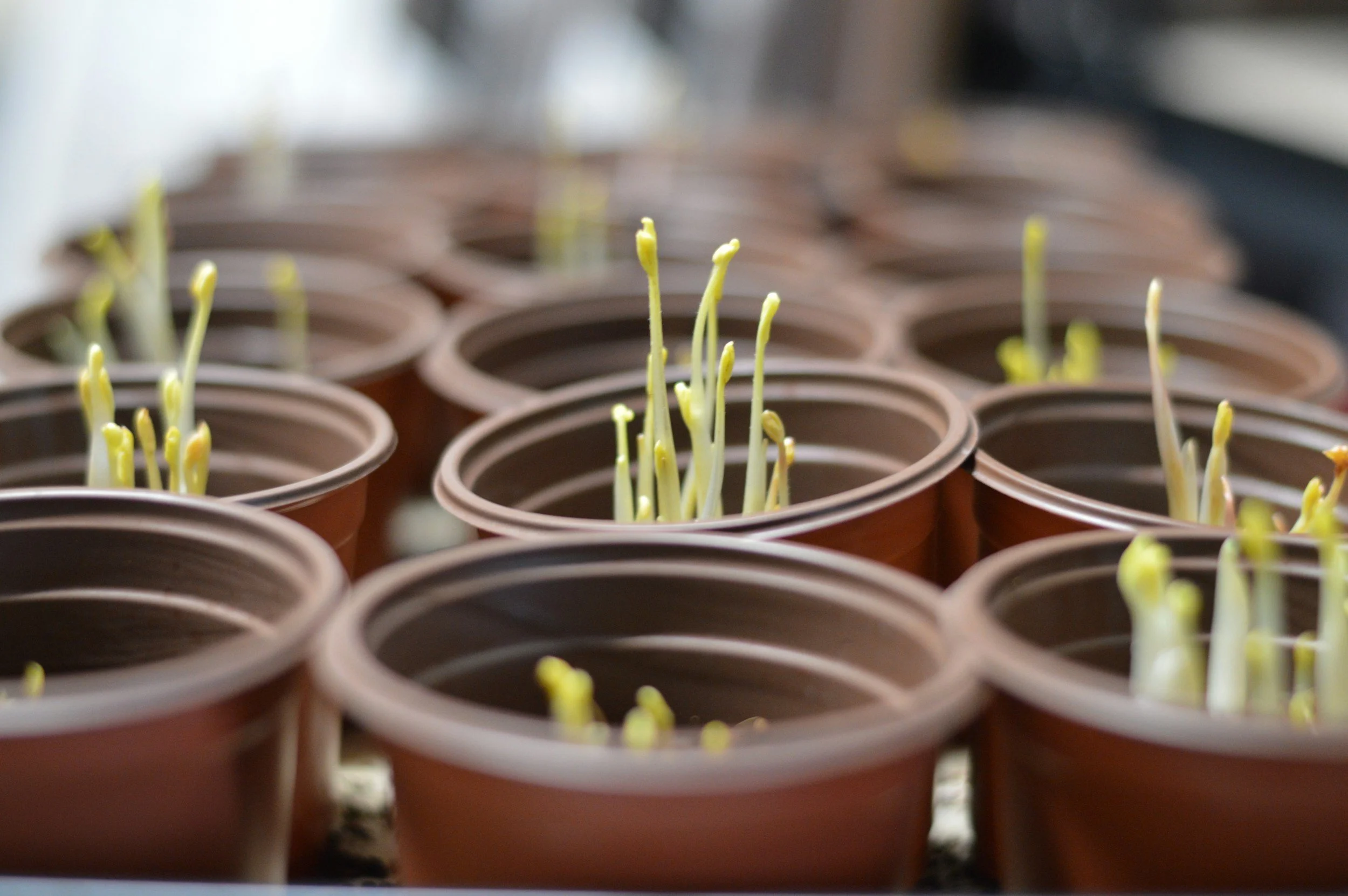
Spring is full of snowmelt and rain, so this is optimal time for planning with the Disaster Avoidance Team - City Storm & water experts, Planning, Landscape Architect & Design Expert, Permaculture Expert with experience building swales & hügelkultur berms, & Disaster Avoidance Students. Typical students are Jr. & Sr. High School Students & Local Community Talent. Members that would like to obtain hands-on learning and skills in this new, developing niche field of career.
Students learn by doing, working with the design team on project days. They will learn how to move and manage stormwater by designing & building swales & hügelkultur berms, strategically plan the floating filter rafts that become the island oasis, and understand which plants work best where, and for what function.
Over time, “Disaster Avoidance” students will become experts, and will be empowered to lead future projects, becoming exponential change agents for our local community, or have the skills to confidently lead the efforts anywhere in the world.
No,
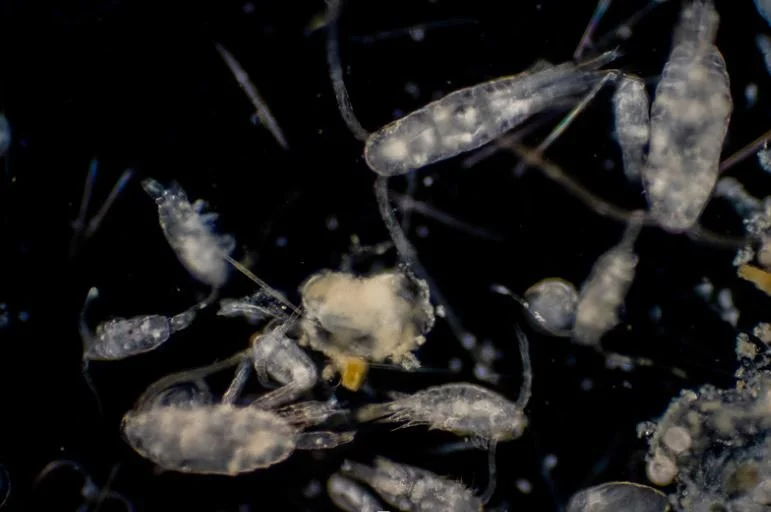
There are two very different kinds of plankton
Bad plankton = microscopic algae (the green soup you see in over-fertilized farm ponds)
Good plankton = zooplankton (tiny animals and baby insects)
When the water first clears, we get a short, controlled burst of good zooplankton
Zooplankton are crystal-clear themselves
You can look straight through a bucket of water that’s full of them and make it clearer because they eat the last bits of floating particles and leftover algae.The fish eat them almost as fast as they appear
Baby bluegill and bass show up within weeks and vacuum up the zooplankton. It’s a natural self-balancing act – the bloom lasts a few weeks to a couple of months, then settles into equilibrium. The lake ends up gin-clear with fat fish, exactly like every successfully restored lake in the Midwest.We’re pulling the nutrients OUT, not adding them
The new roadside wetland and the island plants strip phosphorus and nitrogen
Nutrient levels drop, producing clear water and big fish (aim for 15–25 µg/L phosphorus – the sweet spot for a sparkling lake).
Every lake that has used this exact recipe in Minnesota, Wisconsin, Michigan, and Iowa (hundreds of them) goes through the same short sequence:
Mucky → slightly cloudy for 4–10 weeks → suddenly gin-clear and stays that way for decades
The short zooplankton bloom is a sign everything is working; within one season the fish eat it down & water turns clear.
Does the zooplankton make the water cloudy?
What About The Deer?
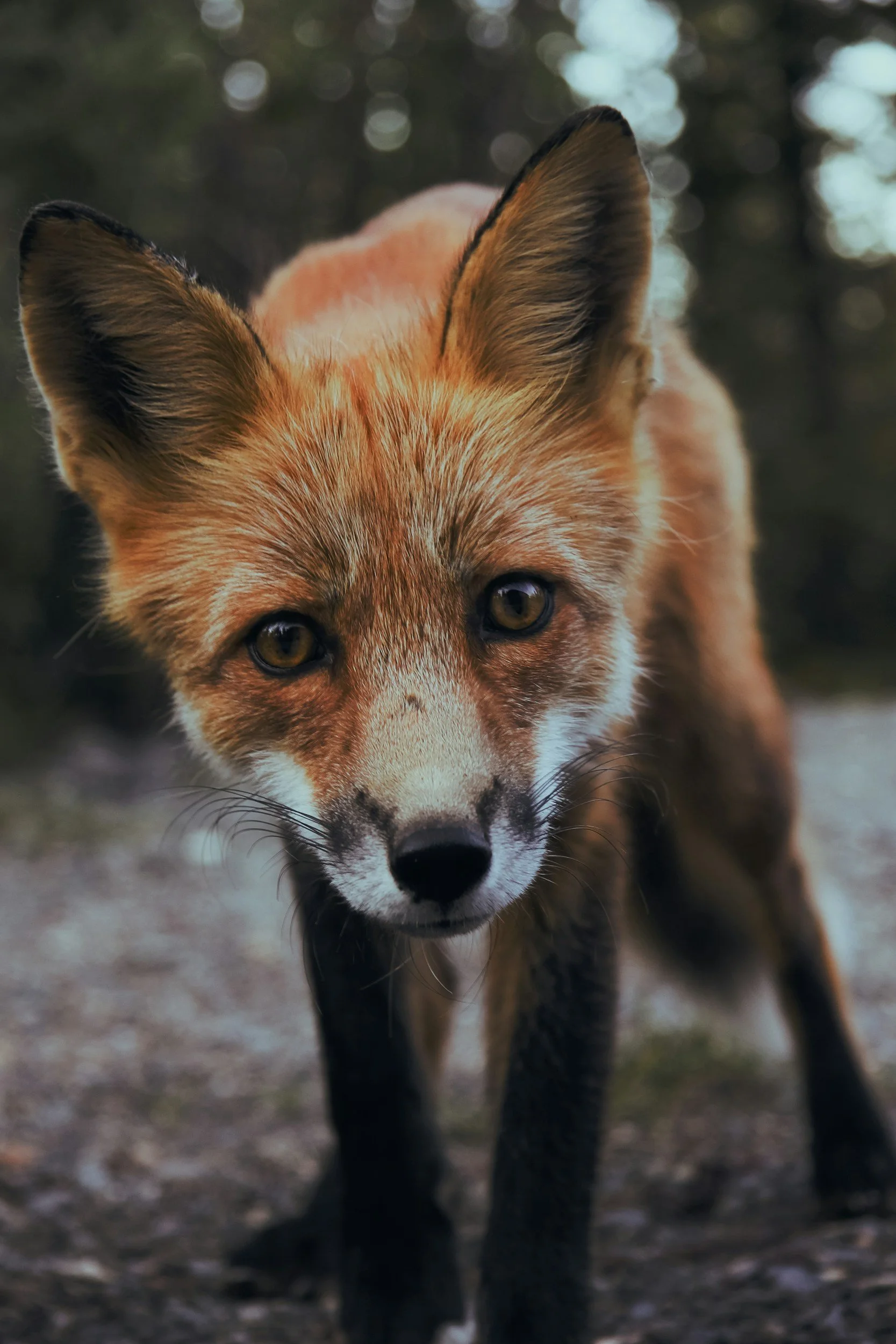
The deer will absolutely come to eat, and that can be one of the very best features.
Here’s what actually happens and why it’s perfect:
Deer are the original testers
Every fruit tree, berry bush, and herb we plant is already growing wild somewhere within 20 miles. If deer loved it in the forest, they’ll love it here too. Their browsing is free, real-world proof that everything is delicious and natural.We plant for abundance, not scarcity
Trees can be planted in dense guilds - much more food than one family or herd could ever eat
Low branches - deer, horses, and kids
High branches are for riders and adults to pick from saddle or ladder
Fast-growing “deer candy” (clover lanes, serviceberry hedges, crabapples) are placed along the forest edges on purpose – the deer eat their fill there first and usually leave the inner orchards alone
Community members encouraged to come and pick fresh food for meals, taking only what we need - we can begin to solve hunger via proven, grass-roots methods
Deer & other wildlife become the attraction
Dawn and dusk rides with wildlife nibbling berries beside the trail
Community & visitors alike will love it - We came for the horses and stayed for the deer
Picture-perfect moments
Simple, gentle adaptations
Don’t feed them - be respectful, let them feed themselves and watch them do deer things
Clean up after yourself or the Fae may not be kind
On-site waste asset reclamation station
Install tall poles near fire areas to hang food & gear bags
Give extra space during the rut
No fences, sensor, cameras or activated lighting spoiling the views, privacy and ambiance; no ugly netting to separate - they’re wild… that’s life! :)
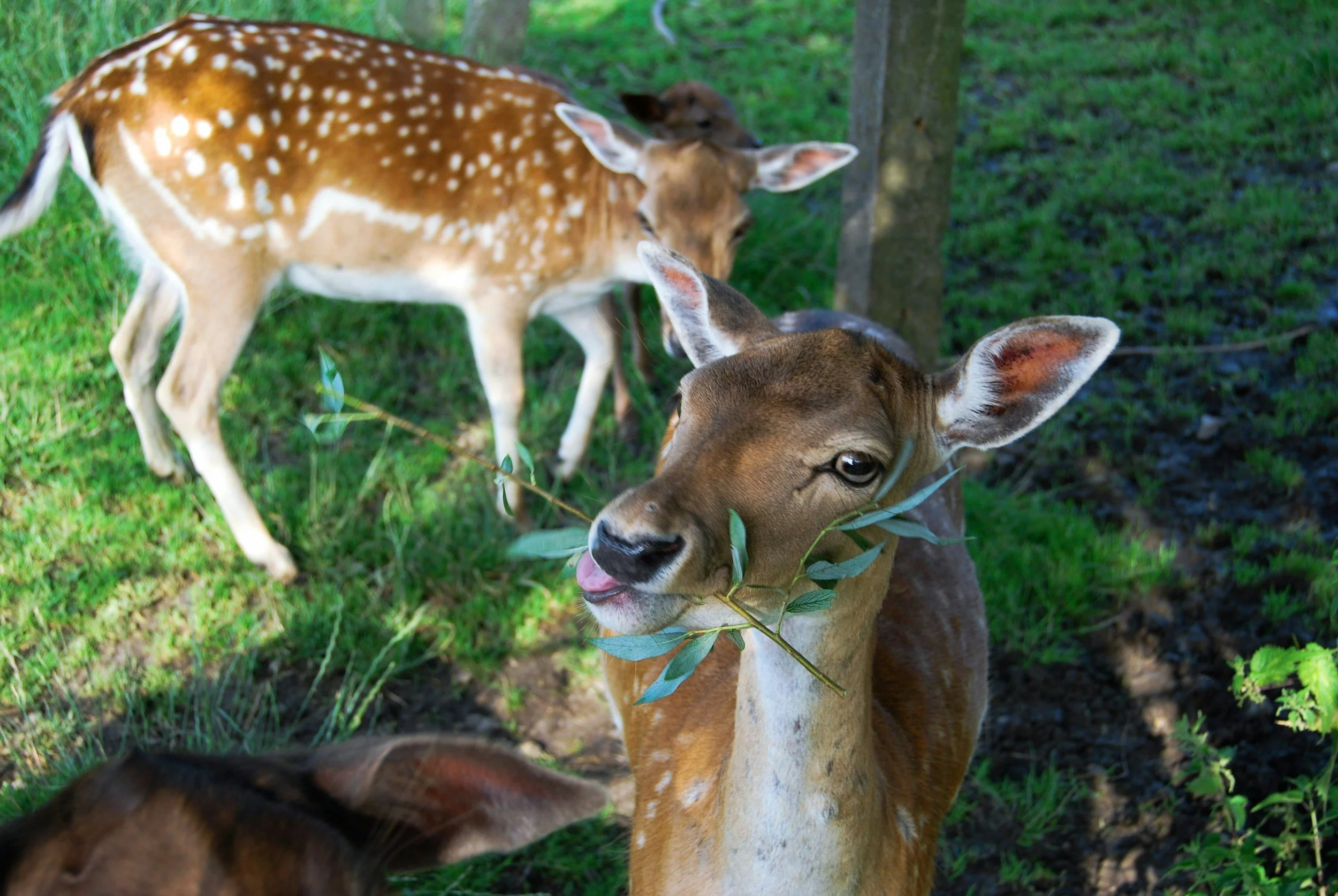

The food forest is built for sharing – with the horses, the people, and the wildlife that lives here
Waste Assets Collected from Community & Guests
Resources can be collected for use on-site in various ways to create larger expansions or create pathways, or glass-crushed sand bio logs seeded with filtering plants and either mycelium or SCOBY centric bioremediation to clean the nearby Deep River water, while beautifully expanding trails & addressing erosion problems and riprap opportunities at the root-cause.
Each expansion is an opportunity to assess the local landscape to improve the way the water gets to where it wants to flow naturally, especially during heavy storms. By working proactively, we beautify our local scenery AND deal with our waste and stormwater management in ways we can be proud of.
Stormwater can be directed by swales into filtering areas which slow the speed and drink up excess water with filtering plants and hügelkultur berms. The result is a beautiful new, functional landscape that passively cleans road run-off, thus cleaning the local waterways prior to entry back into Lake Michigan.

Turning Big Maple Lake into Northwest Indiana’s First Horseback Eco-Oasis
A 2-3-phased, grant-funded plan that fixes the erosion & stormwater problems, cleans that water, creates new revenue streams, and costs the city almost nothing.
The Problem Today
Severe shoreline erosion (10–25 ft lost in places since 2010)
Murky, algae-heavy water (phosphorus from horse-farm runoff + road drainage)
Bare, muddy banks → no habitat, little fishing, no tourism value
The Vision
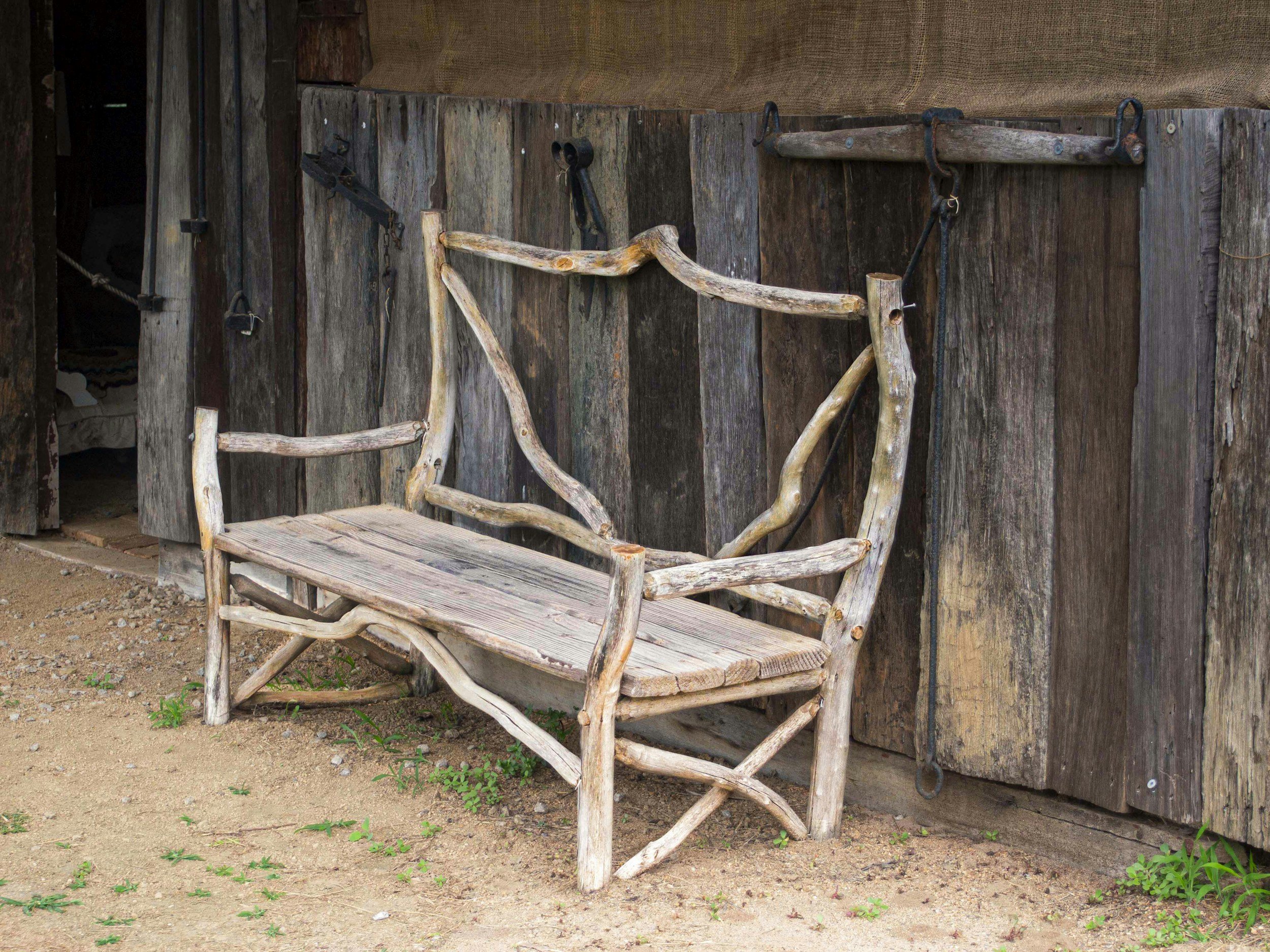
A 2–3-mile meandering food-forest trail along the lake with gentle horse-friendly slopes to the water, a glowing floating filter-island, solar-lit canopy, rustic benches from downed trees, and nightly horseback stargazing + berry-picking rides.
Horses drink clean water. Riders feed them fresh apples. Fish explode because we create habitat & natural food buffets. Wildlife & visitors enjoy free foraging & oyster mushrooms we harvest off the floating bridge.
Shiloh Stables & Exceptional Equestrians are close & may benefit from and influx of local & out-of-state tourists.
Great for photo ops with or without horses.
Details
Phase 2 – Build the Attraction (2027, < $120k city share)
Feature: Floating Filter-Island
Description: Honeycomb myco-rafts + pickerelweed + water lilies + solar rope lights around edge + gentle horse drinking ramp
GLRI + DNR LARE (90 %) grants
2-mile Food-Forest Trail
4,000+ fruit/nut trees & berries (pawpaw, persimmon, serviceberry, elderberry, hazelnut) planted in hügelkulturs
$30–40k
NRCS + Sustain Our Great Lakes
Floating Mushroom-Harvest Bridge
Rustic horse tie-up stop by living bridge out to island
Harvest oyster mushrooms
Picture ops & ecotourism attraction
Same grants
Solar canopy up lights + trail markers
Trees glow at night - perfect for stargazing & night rides
(Tourism grant add-on)
First horseback tours start summer 2027
Fish population doubles by 2028
Phase 1 – Stop the Bleeding (2026, < $40k city share)
Fix: Biologs + coir erosion mats + vetiver grass plugs on worst banks
Erosion stops in first growing season; water starts clearing after drawback & refill
How: LARE + NRCS EQIP Grants; Disaster avoidance staples & plants in a few big project days
Simple changes in procedure makes all the difference here, turning what was once work, into opportunity and expansion
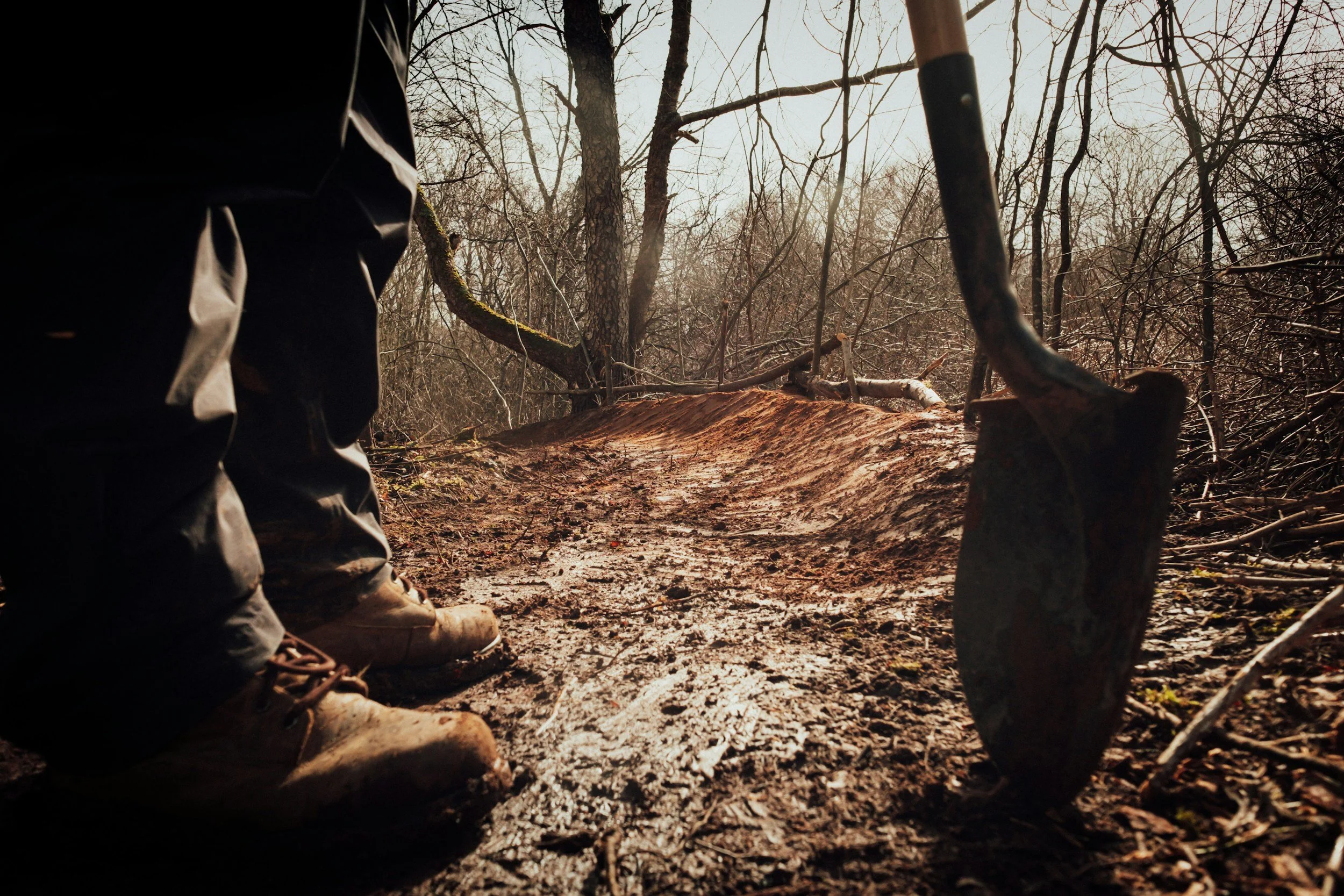
Chain-saw teams turn downed trees into instant hügelkultur classes for eager students
Bridge designs for future or current engineers
Rustic furniture making workshops
Mushroom inoculated trail edging
Shiloh’s manure stockpile creates wonderful compost & compost tea
Free fertilizer for the entire food forest, possibly for purchase
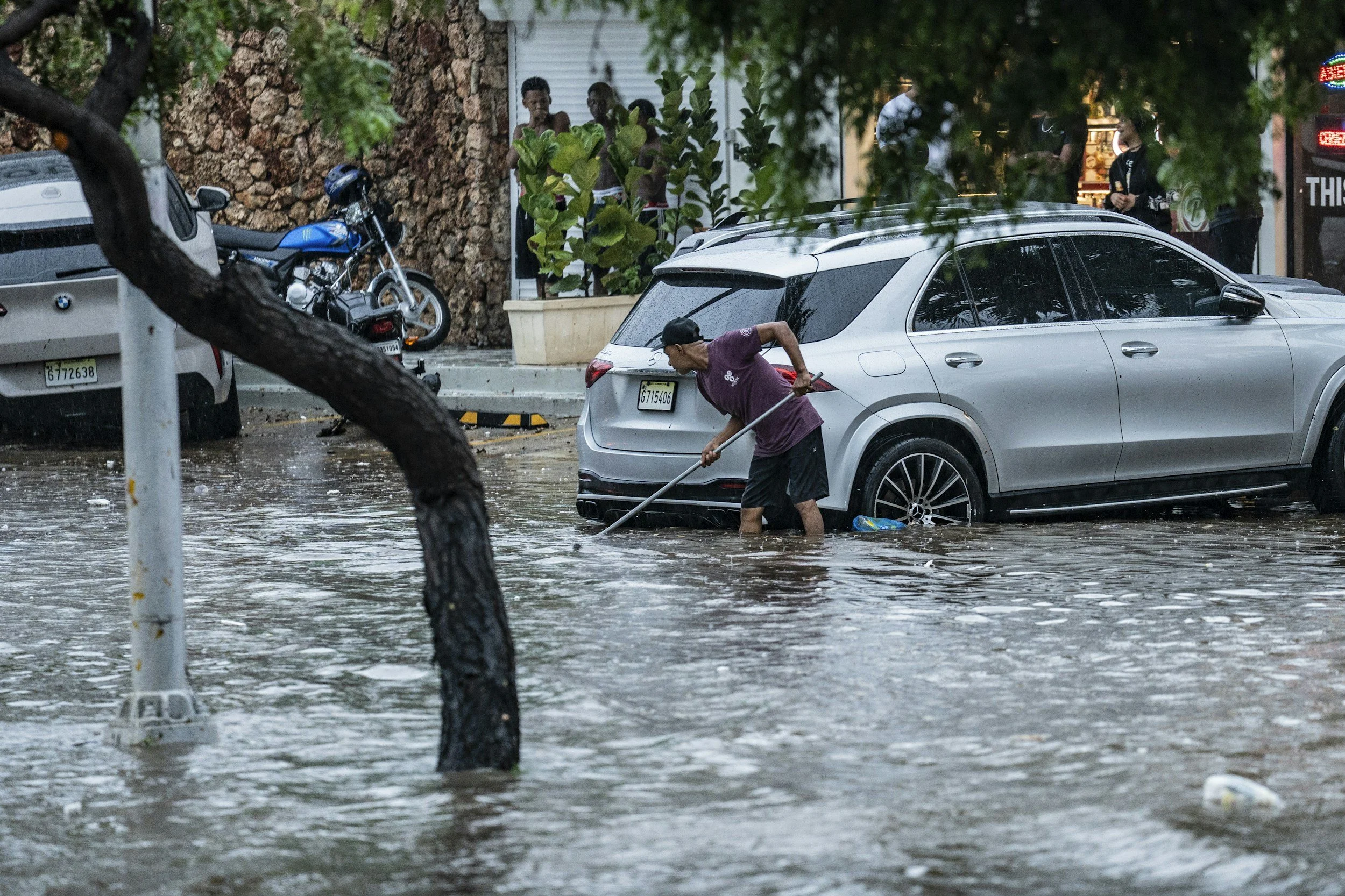
A fallen tree could now be the small project someone in this disaster avoidance group begins with. They could teach a workshop on how to create a hügelkultur berm, what’s its used for and how they can stop erosion & control the flow of flood waters.
Plan out willow strategies
Tie-downs
Living fence
Willow furniture weaving classes
Phase 3 – Self-Funding Forever (2028+)
Revenue Stream
Conservative Year-3 Estimate
Guided horseback eco-tours: $150k
Special events, workshops & classes: $60–100
Wedding & event venue bookings (sunset photos): $80–150k
Potential mushroom & fish sales @ local market or fair trade to city restaurants for collecting food-waste
(excess oysters + perch/bluegill): $20–40k
Revenue estimates need real-world data and figures
Maintenance = horses walking the trail every day + riders harvesting mushrooms = basically free.
Funding Stack (already lined up for 2026–2028 cycles)
DNR LARE → $150–250k
NRCS EQIP/RCPP → $80–120k
Great Lakes Restoration Initiative → $100–200k
Sustain Our Great Lakes → $50–100k
Indiana Tourism micro-grants (horseback stargazing is perfect) → $25k
Net city cost for all three phases: under $150k total (and we can use volunteer hours + manure value as match → could drop to $0 cash).
Big Maple Lake → Indiana’s First Nighttime Horseback Eco-Oasis
The Problem Today
Ugly, eroding, murky lake
Not much public use, zero revenue, few fish
The Fix – 3 things we build (all proven elsewhere)
Floating Filter-Island + gentle horse drinking ramp & tie-up stop
Cleans the whole lake, glows at night with solar rope lights
→ City share after grants: $60–80k2-mile Food-Forest Trail along the shore (Root-cause solution for food crisis)
Apples, pawpaws, persimmons, berries – free horse & people snacks
Built from downed trees + free Shiloh manure
→ City share after grants: $30–40kFloating Mushroom-Harvest Bridge to the island, water edge lip erosion solutions & filtering plants
Riders harvest oyster mushrooms for dinnerCity share after grants: $15k
Total city cash needed for everything: under $150k spread over 2–3 years
(80–100 % paid by DNR LARE, NRCS, Great Lakes Restoration Initiative – money already waiting for us)
What Hobart & the horse farms get every year starting 2028
$340,000 – $590,000 new annual revenue (mostly for services surrounding the city, not for city revenue)
(guided night rides, stargazing tours, weddings, berry-picking days, mushroom & fish trades)Eventually no mowing, no chemicals, no algae
A lake people could drive hours to visit instead of one they never knew existed
Maintenance = almost free
Horses walking the trail every day + riders harvesting mushrooms = the place could take care of itself
All we have to do right now
□ Say yes
□ Let staff file the four grants already lined up
□ Allow volunteer hours + horse manure to count as match (city cash could literally be $0)
This turns a dying lake into the only place in Indiana where you ride under glowing trees at night, grill the mushrooms you just picked, and watch horses drink clean water from a lake. Let’s make Big Maple Lake the thing people talk about instead of something they never knew existed.
Christine Pierce – Disaster Avoidance