Robinson Lake Eco-oasis Billboard
Robinson Lake: Northwest Indiana’s Next Eco-Oasis
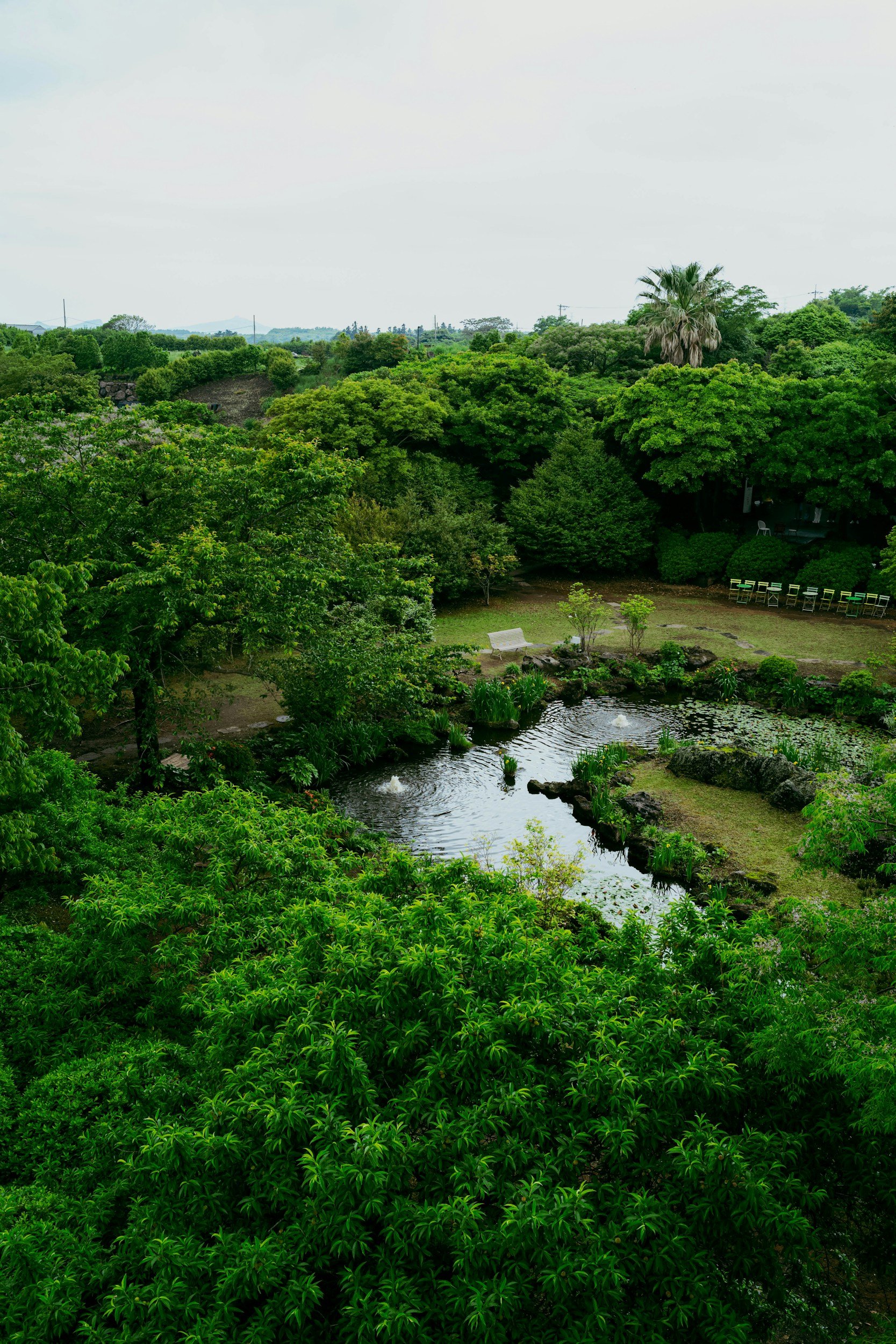
Just off I-65, minutes from the interstate but worlds away from the noise, sits quiet little Robinson Lake — 28 acres of water surrounded by woods, wetlands, and Erin’s Farm, the amazing animal rescue next door. For years it’s been a hidden fishing hole that slowly filled with silt and farm runoff. Most drivers zooming past on the highway never even know it’s there. But that could change — in the best possible way. A community-driven restoration could turn Robinson Lake into a sparkling, eco-oasis that proves beauty, community, and cleanup can go hand-in-hand. Routine travelers will be able to visibly watch the transformation from cute, local park, to a flourishing food forest eco-oasis, and sharing resources between the farm and the park is a win-win for all.
What is possible (2026–2029)
Crystal-clear water you can see ten feet down again
Gentle late-summer drawdown + natural bio-dredging (the same recipe that’s worked on hundreds of local lakes, described in Big Maple Lake Plan)
A sweeping roadside forebay and riprap treatment zone would be perfectly aligned along I-65 to catch the highway and farm runoff to strip out oil, salt, and nutrients, spilling clean water into the lake or ditch systems
A spectacular floating island oasis right in the middle
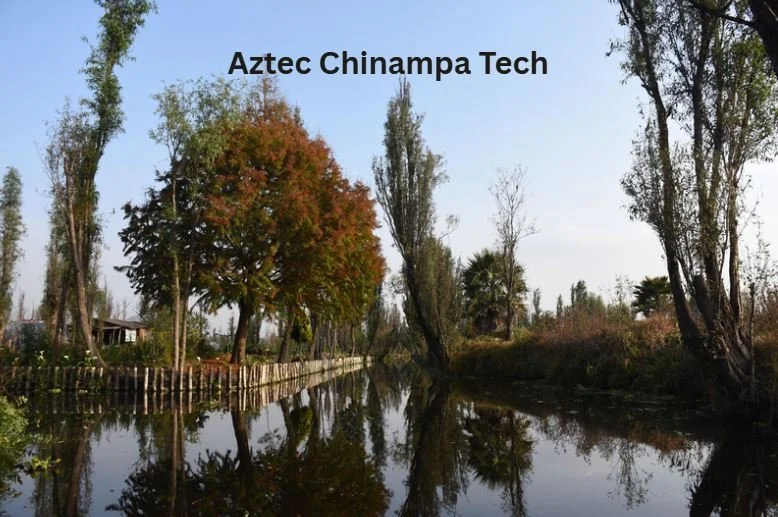
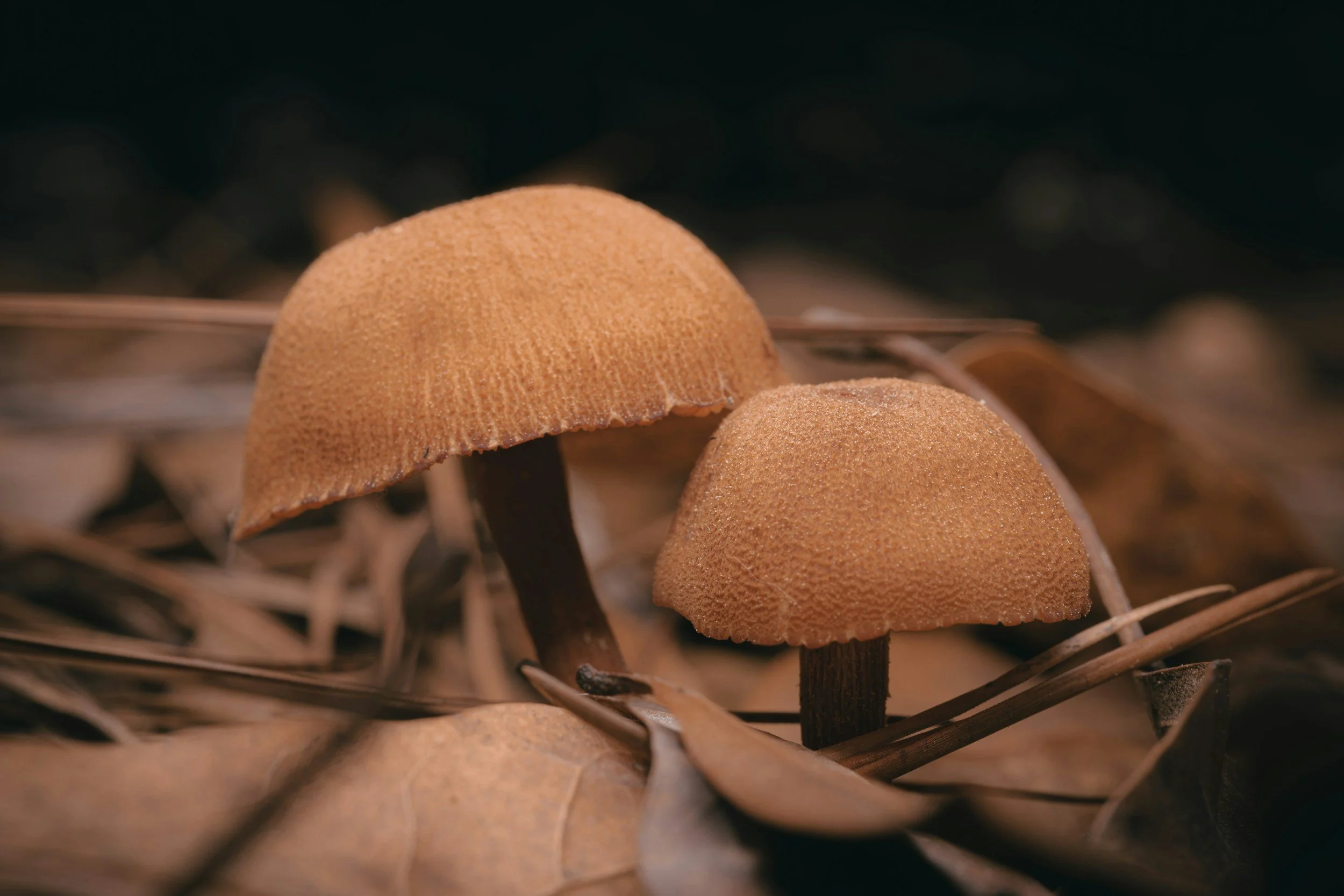
Built Aztec Chinampa or other floating style, clean fill discussed earlier, and thousands of water-cleaning plants plus edible oyster and king stropharia mushrooms - paddle boarders get the best view
Visible from I-65 — drivers will literally watch the lake heal in real time as the island grows greener every month
Free mushroom harvesting for visitors
Permaculture food forest helps to provide food for local residents, wildlife, and guests
Creating root-cause solutions to address food shortage and hunger in our local community

Glass-crushing & filtration system
Recycled glass from visitors & northwest Indiana bars and restaurants can be crushed on-site and used as ultra-effective, sparkling filter media in the riprap zones and shoreline berms for architecture & disaster avoidance
Turns glass “waste” into permanent, beautiful, toxin-grabbing armor that keeps runoff clean
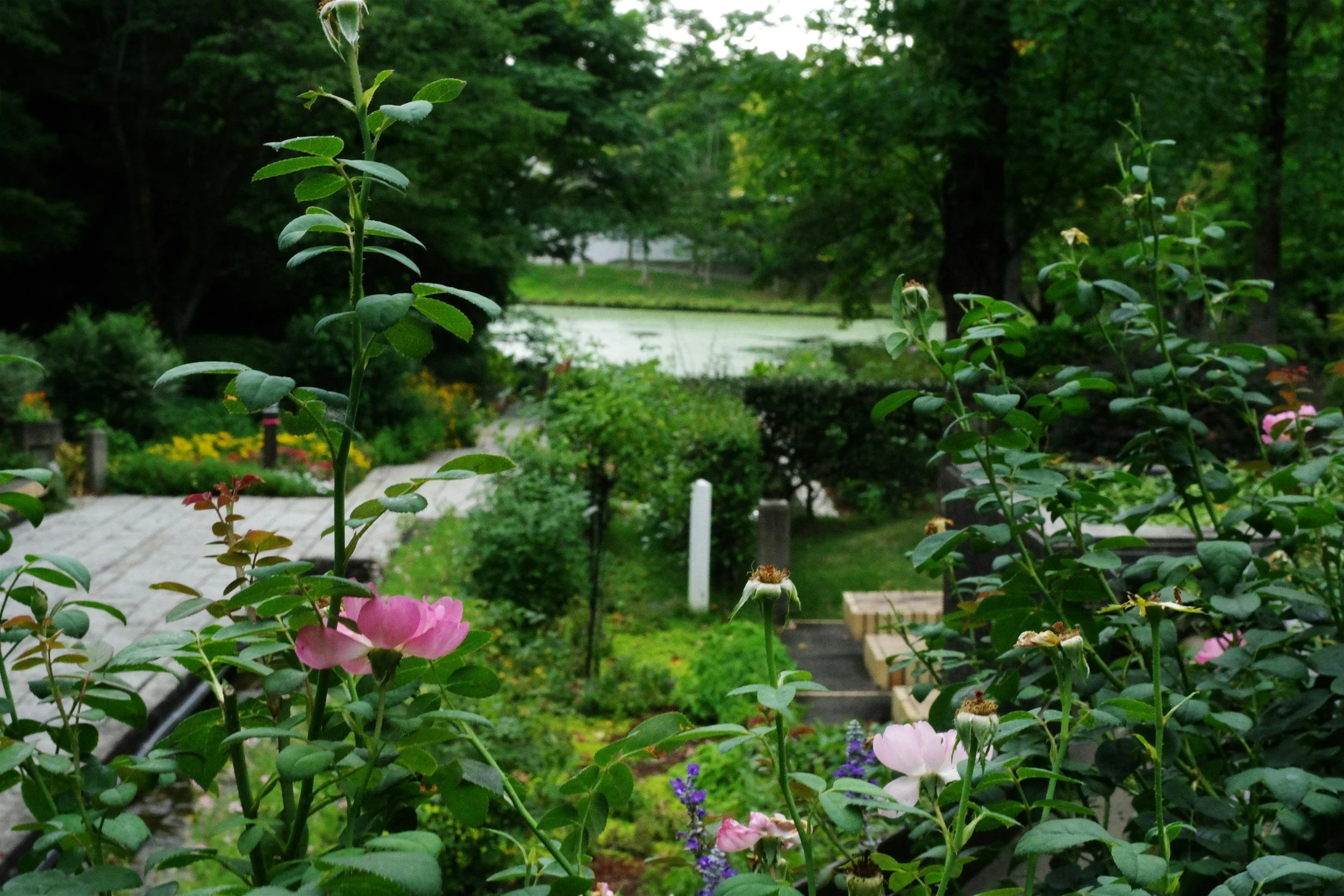
Glass-cleaning process can use solar pumps for lake water, cleaning both glass and water, filtering water through a photo-ready garden of beautiful plants & mushrooms
Simple, welcoming public access
Small canoe/kayak launch possible
Woodchipped paths wind through the beautiful food forest
Safe and gorgeous - solar rope lighting winds through plants and arches; Up-lighting faced into trees
Picnic areas connected by short looping trail that’s perfect for evening walks or relaxed horse rides
Nothing huge. Nothing overbuilt. Just a clean, healthy, insanely photogenic lake you can see from the highway that quietly proves we can heal water, create habitat, and turn trash into treasure — all at the same time.
Robinson Lake won’t just be restored.
It could be the postcard win that makes people pull off I-65 and say, “Wait… we can do THIS with our lakes!?”
How to make it happen…
CHRISTINE PIERCE – Disaster Avoidance
This analysis evaluates transforming Robinson Lake (17-acre urban park lake in west Hobart) into a self-sustaining "Eco-Oasis" using non-permanent Mycoremediation enhancements (mycelium filtration rafts, solar pumps, glass sand aggregates from local crushing, native plantings, and possibly sluice grates for fish/wildlife flow). It leverages free/ low-cost resources (blighted yard waste, student labor) to cut maintenance, boost revenue, and generate grants—proving we can begin to off-set the costs to run the city without the threat of the data center. All figures in 2025 USD; based on DNR/EPA benchmarks, scaled from Lake George pilots. Plan can be accomplished either via city or local adjacent property owners/neighborhood.
Project Overview
Scope: Deploy 10–15 modular myco-rafts (30 m² each) for nutrient filtration (60–80% phosphorus/nitrogen removal); add 2–4 solar pumps ($5k total) for circulation; possible to crush/install 500 tons glass sand for shoreline stabilization; plant natives (vetiver, cattails - permaculture expert, landscape architect & disaster avoidance team select plants for beauty & function); create removable sluice grates if desired. No construction—enhances existing 30-acre park.
Timeline: Phase 1 (2026): $120–150k, 6 months; full ROI in 3–5 years.
Why Now?: Builds on DNR's 2012 fish management agreement; qualifies for untapped LARE/EQIP grants (e.g., $24k+ for similar shoreline work in LaGrange County).
Rough numbers
Need real numbers to work with
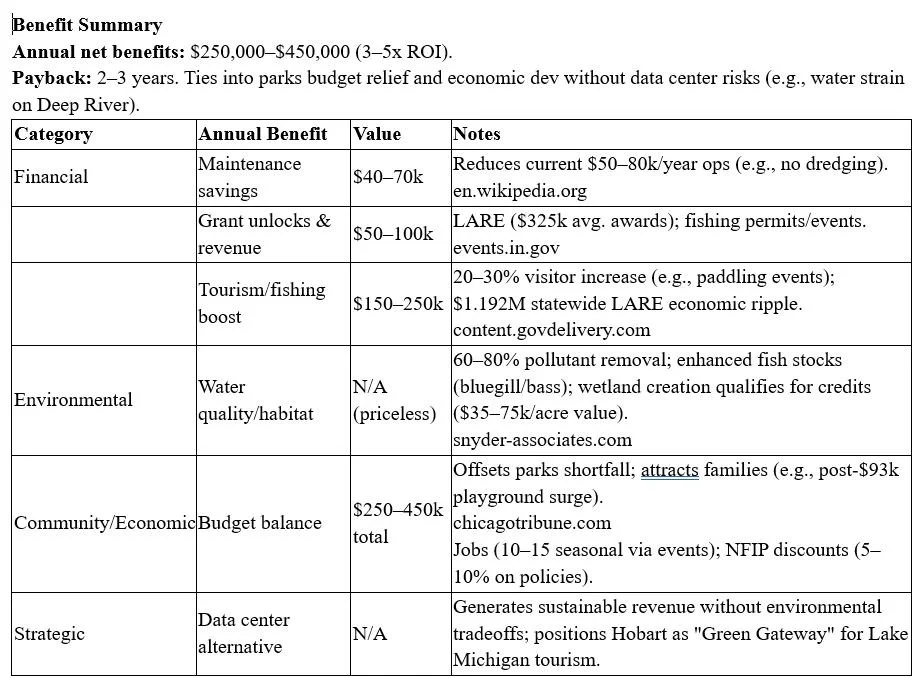
Rough numbers
Need real numbers to work with
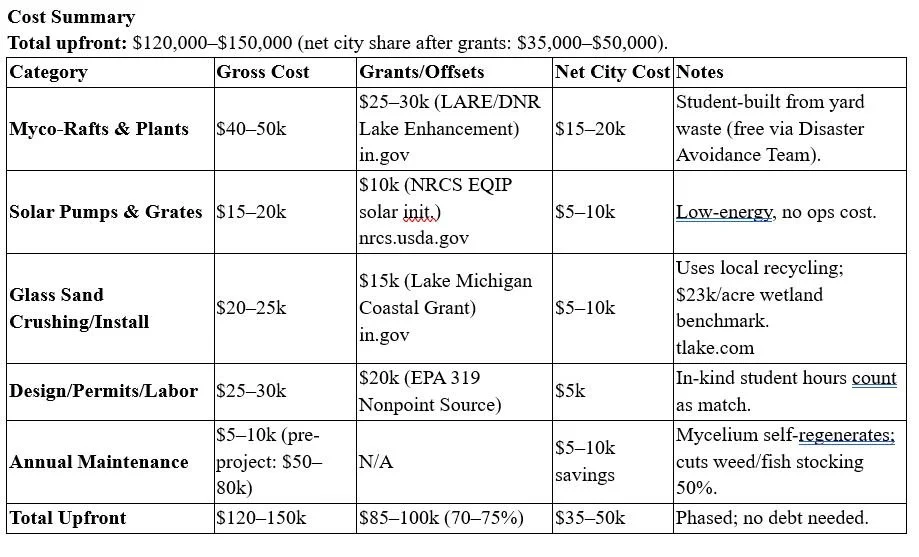
Net Present Value (NPV) Snapshot
Assuming 5% discount rate over 10 years: $1.2–$2.1 million positive NPV.
(Breakeven Year 2 (Let’s plan for 3); cumulative benefits exceed costs by Year 4 (plan 5.)
Recommendation
Suggest Approving Phase 1 (grant apps - LARE/EQIP deadlines Q1 2026) for $35–50k net investment.
This eco-boost turns Robinson Lake from a $60–100k annual cost into a revenue engine—realigning the in-coming tax obstacles organically, no data center needed. Let's make Hobart's west side the envy of NW Indiana, advertising like a free, giant billboard from I-65.
CHRISTINE PIERCE