Disaster Avoidance vs. Disaster Recovery
We deliver integrated solutions that translate complex challenges into measurable progress.

Disaster Avoidance vs. Disaster Recovery
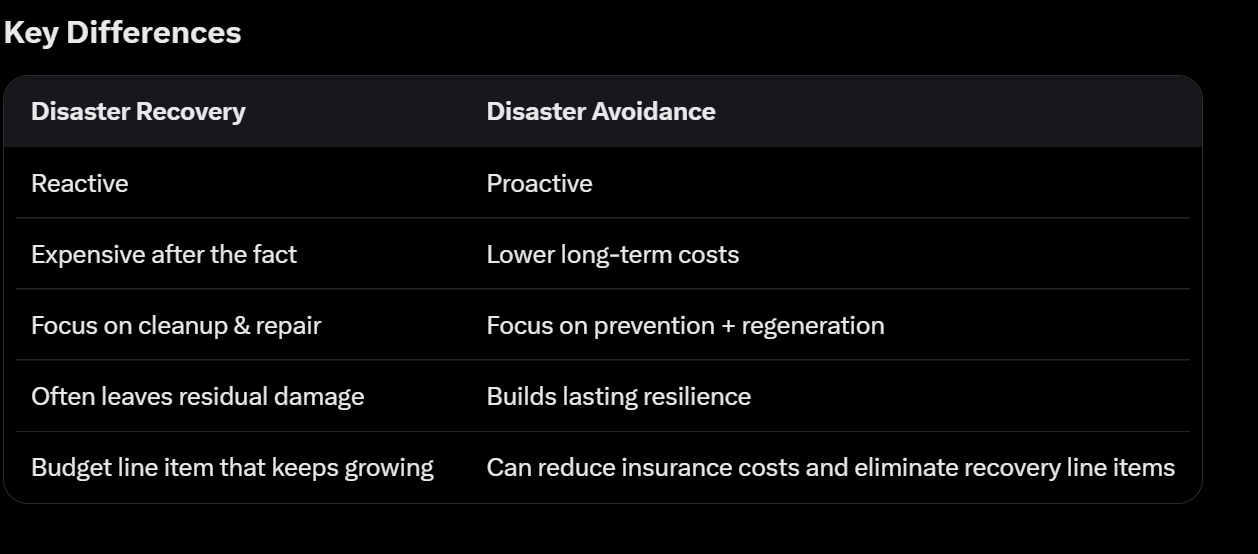
From Disaster Recovery to Disaster Avoidance
Most communities operate in Disaster Recovery mode:
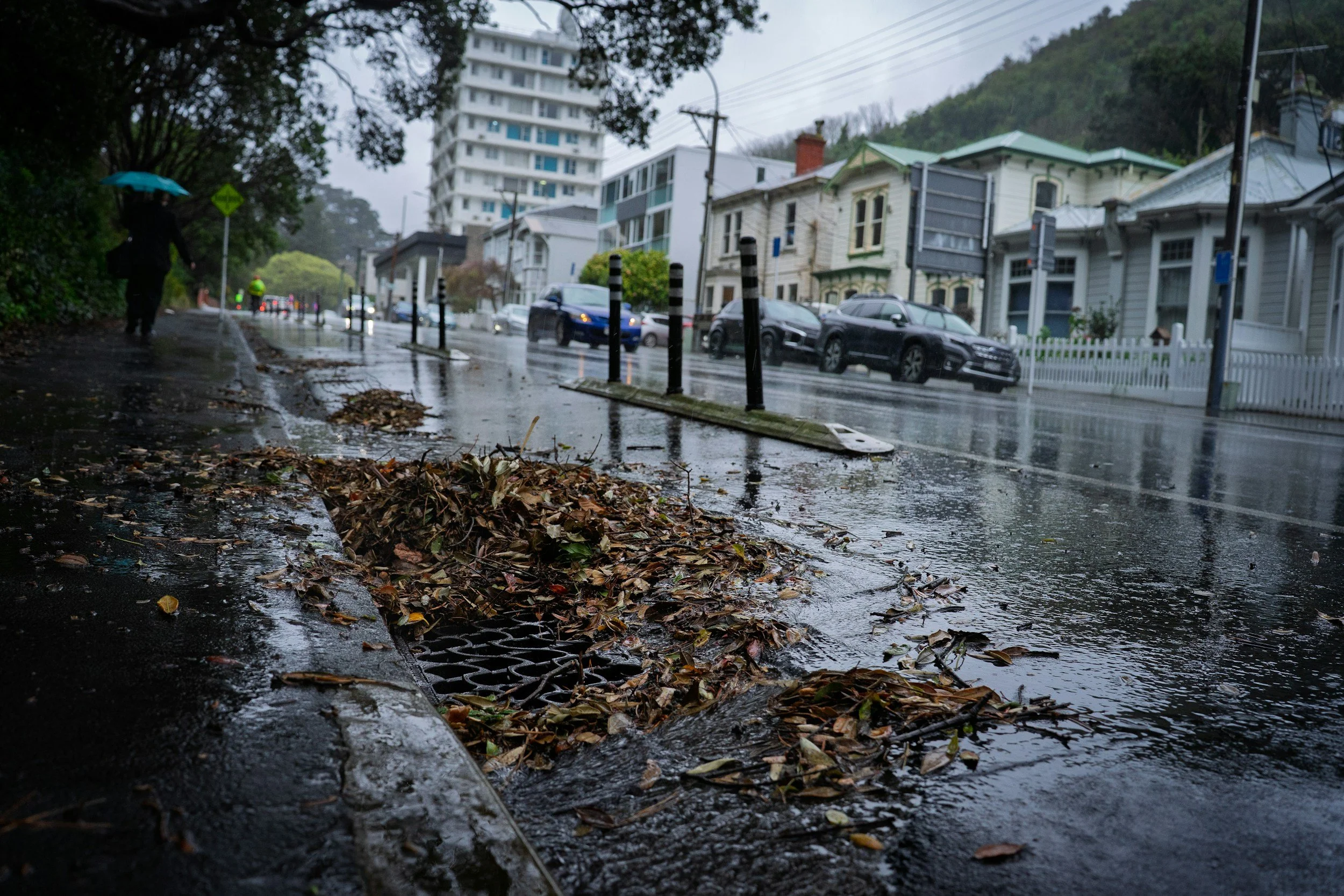
Wait for the flood, the pollution, the blight, or the erosion — then spend large amounts of money reacting after the damage is done.
Disaster Avoidance flips that model:
Instead of waiting for problems to become expensive emergencies, we use free local resources, nature-based solutions, and community talent to prevent or dramatically reduce those problems in the first place — while simultaneously creating healthier soil, cleaner water, food, habitat, and community pride.

What is Disaster Avoidance?
Proactively prevents or reduces environmental and infrastructure problems before they become expensive emergencies
Uses free local resources (yard waste, tree trimmings, cardboard, food scraps) and nature-based solutions
Builds healthier soil, cleaner water, food production, and habitat at the same time
Trains local people (especially students) into skilled problem-solvers
Lowers long-term costs for cities and residents while creating lasting resilience
What is Disaster Recovery?
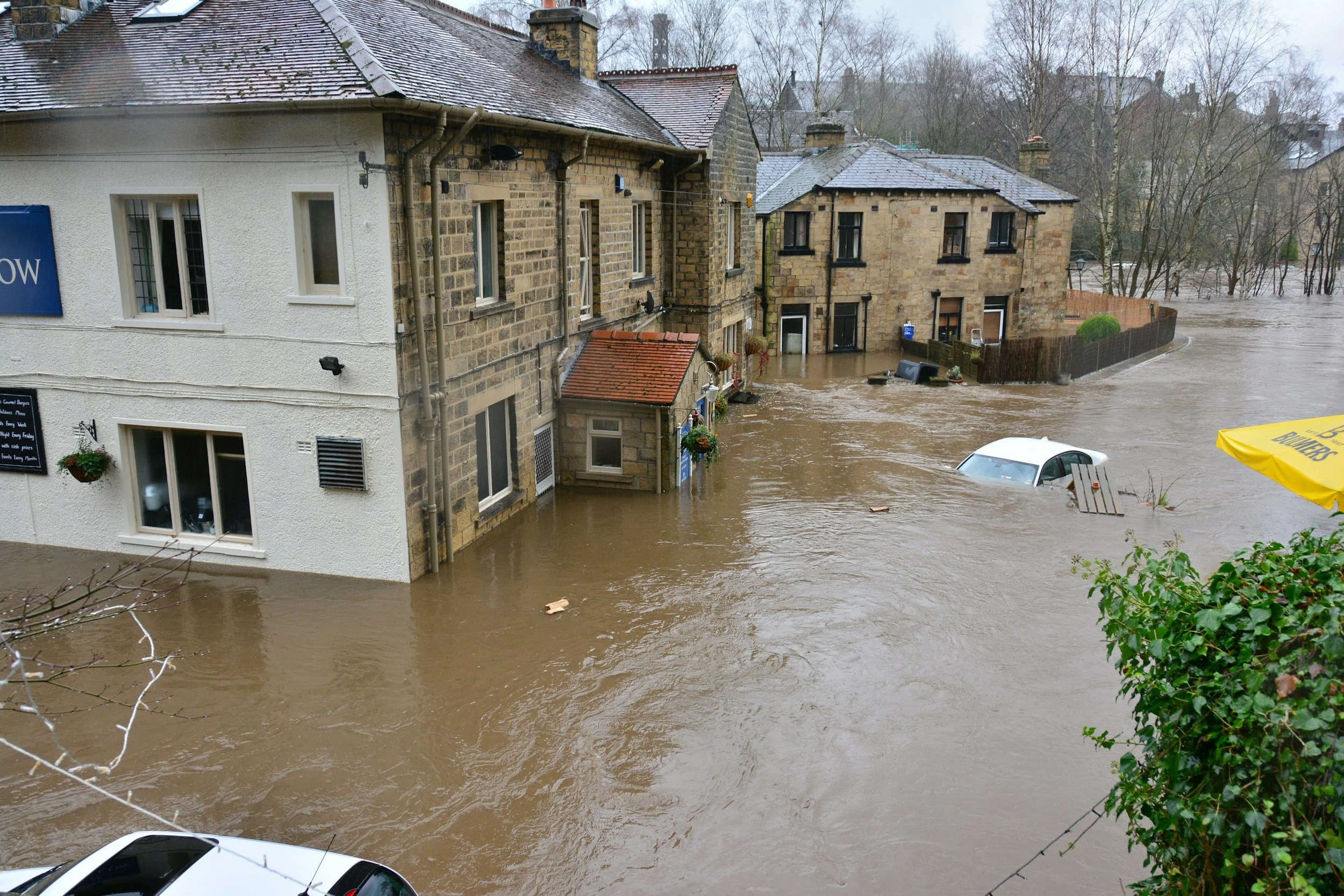
The traditional reactive approach: wait for floods, pollution, blight, or erosion to happen
Focuses on cleanup, repair, and emergency response after damage has already occurred
Usually expensive and often leaves residual problems
Creates ongoing budget line items that continue year after year
Rarely addresses the root causes that led to the disaster in the first place
Core Benefits of Disaster Avoidance
May positively impact insurance ratings and premiums for residents
Reduces or eliminates “Disaster Recovery” budget lines for cities
Builds healthier soil and cleaner water
Creates living Eco-Oases instead of problem areas
Trains interested people into skilled experts in a new, niche profession
Turns waste streams into valuable community assets
This is the foundation of everything that started Remediating the Rust Belt.
True Cost of Doing Nothing - Disaster Recovery
Repeated emergency spending that drains city budgets
Rising insurance premiums for residents and municipalities
Ongoing loss of usable land, soil health, and water quality
Missed opportunities to create local jobs, skills, and community pride
Environmental damage that becomes harder and more expensive to fix over time
A cycle that keeps communities stuck in reaction mode instead of building a better future